

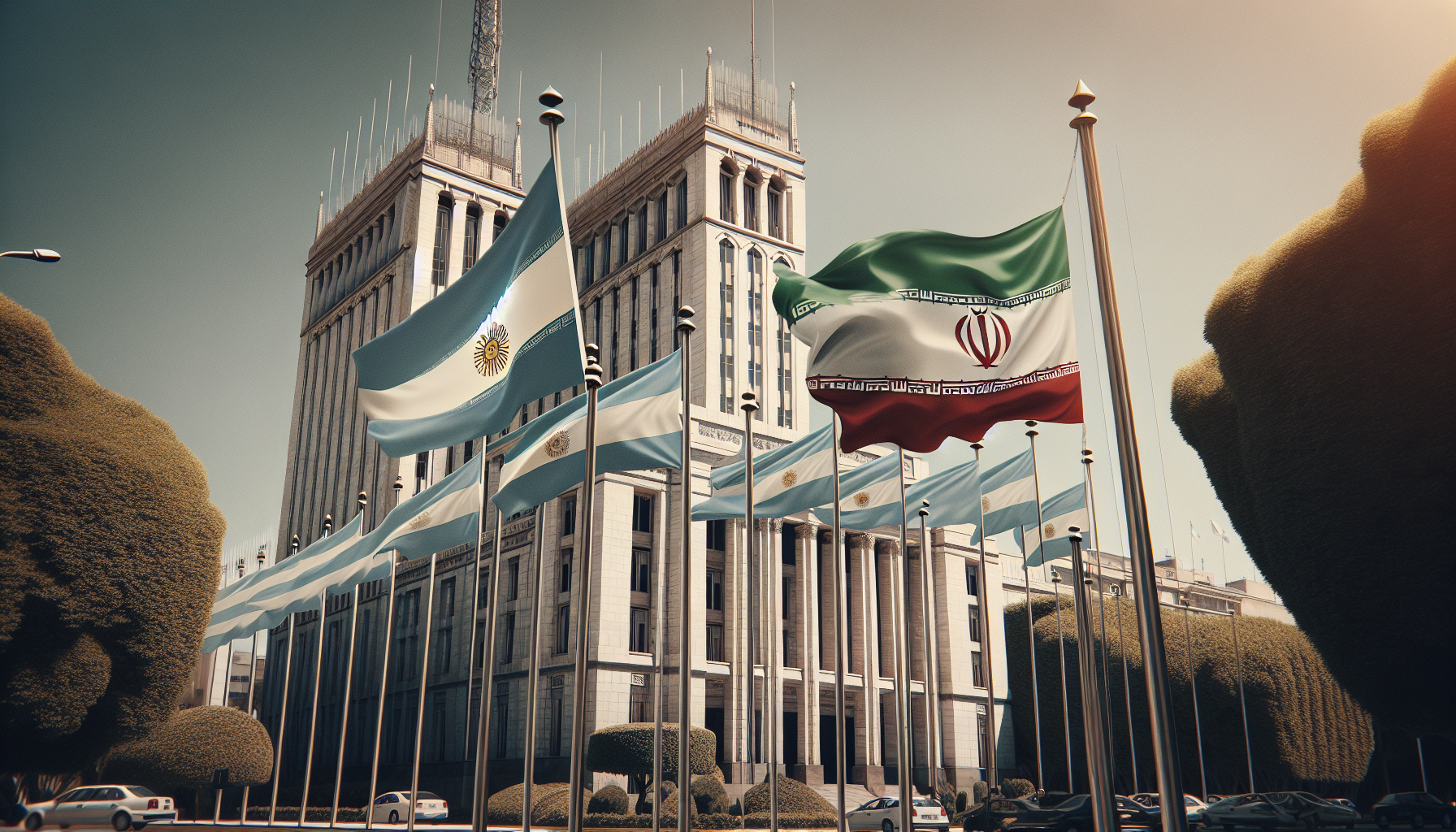
Argentina has taken the significant step of expelling an Iranian diplomat amid escalating tensions between Buenos Aires and Tehran. This move follows Argentina’s decision to officially classify Iran’s Islamic Revolutionary Guard Corps (IRGC) as a terrorist group, a designation that has drawn sharp criticism from Iran. The Argentine government views the IRGC as a threat due to its alleged involvement in international terrorism, a stance that aligns with similar actions taken by several Western countries.
Meanwhile, Iran has responded strongly to Argentina’s blacklisting of the IRGC, accusing Buenos Aires of making offensive and unfounded allegations. Tehran’s reaction underscores the diplomatic strain between the two nations, which has been further exacerbated by this dispute. The expulsion of the Iranian diplomat marks a notable deterioration in bilateral relations, reflecting broader geopolitical tensions surrounding Iran’s military and paramilitary activities.
In a broader context, Argentina’s designation of the IRGC as a terrorist entity is part of an international effort to curb the influence of groups linked to Iran’s military apparatus. This development could impact diplomatic and economic interactions between the two countries and signals Argentina’s alignment with global counterterrorism policies. The incident highlights the challenges faced by nations balancing diplomatic relations with security concerns in an increasingly complex international environment.
