

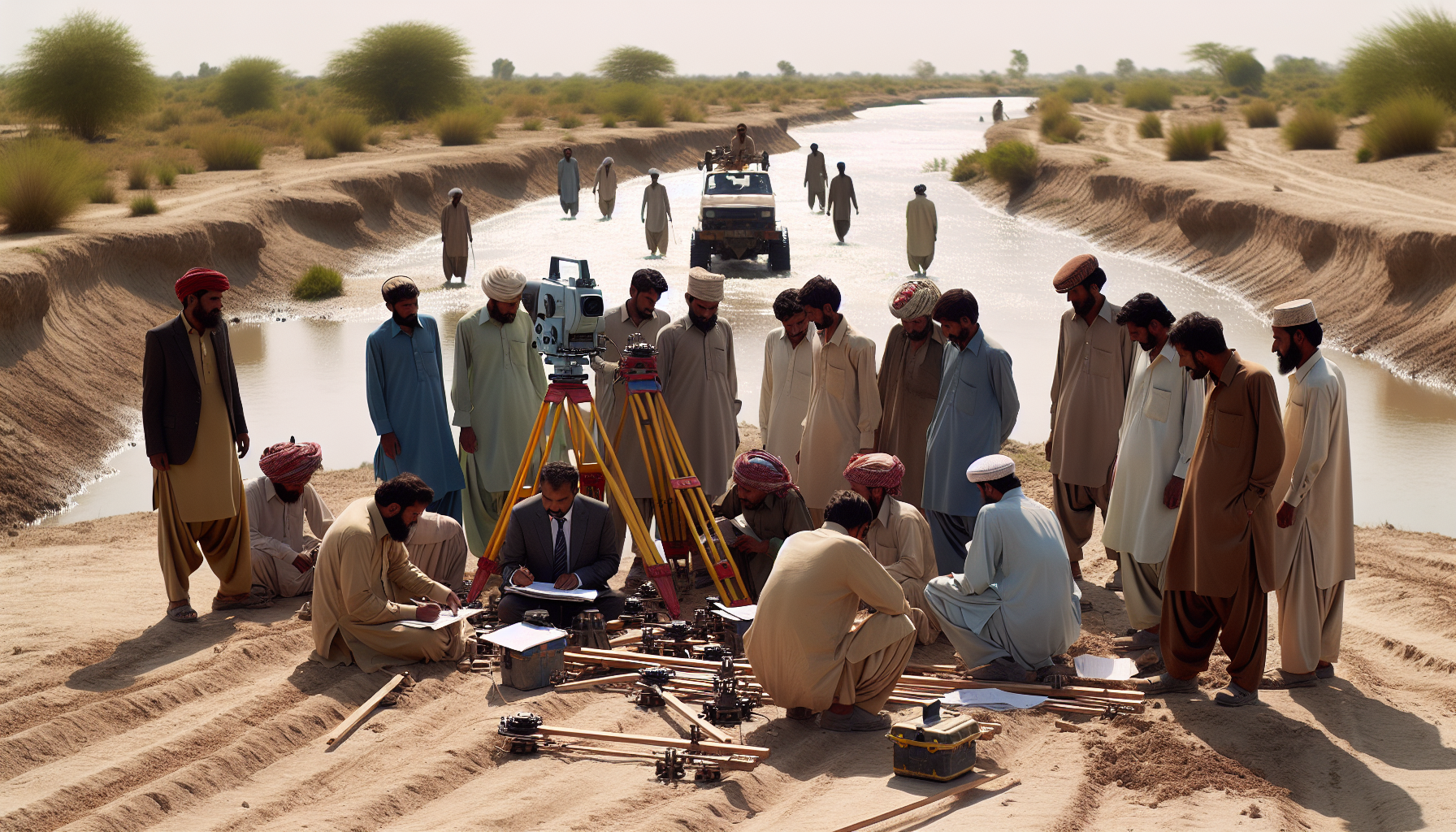
The Sindh government has announced plans to undertake a detailed survey of the katcha (riverine) areas to enable the allocation of lands recovered from dacoits. This initiative aims to support socio-economic development in these regions.
At a joint press conference in Karachi, Sindh Home Minister Zia-ul-Hasan Lanjar, accompanied by Sharjeel Inam Memon, revealed that the provincial government has formalized an agreement with the Survey of Pakistan to carry out this extensive survey. The project is part of a broader strategy to enhance infrastructure and improve living conditions in the katcha zones.
Minister Lanjar highlighted that a development proposal valued at Rs8.9 billion is currently under review, targeting improvements in road connectivity and communication networks within these areas. He addressed concerns regarding the future utilization of lands reclaimed from dacoits, explaining that the Survey of Pakistan will conduct a comprehensive assessment spanning from Ubauro to Thatta over the next 15 months.
The survey will encompass riverine, forest, and government lands, while also identifying current landowners. Following this, the government plans to implement a land allotment policy prioritizing local inhabitants, including widows, to enhance their economic prospects. This effort aligns with former President Asif Ali Zardari’s vision to provide landless farmers with opportunities for sustainable livelihoods.
Sharjeel Inam Memon, Sindh Senior Minister and Provincial Minister for Information, Transport, and Mass Transit, noted that the provincial cabinet has endorsed the survey. He pointed out that although katcha areas were marked on maps, no thorough survey had been conducted previously. Memon expressed optimism that this initiative would help resolve security issues in these regions, emphasizing that the situation in the katcha areas has stabilized and they are now accessible to the public.
He added that once the survey is completed, a comprehensive policy will be introduced to integrate these lands into productive use, further contributing to the region’s development.
