

Pakistan has decided not to implement a nationwide smart lockdown following strong resistance from provincial governments. This decision comes as the government continues to explore various strategies to address inflation, energy shortages, and regional instability.
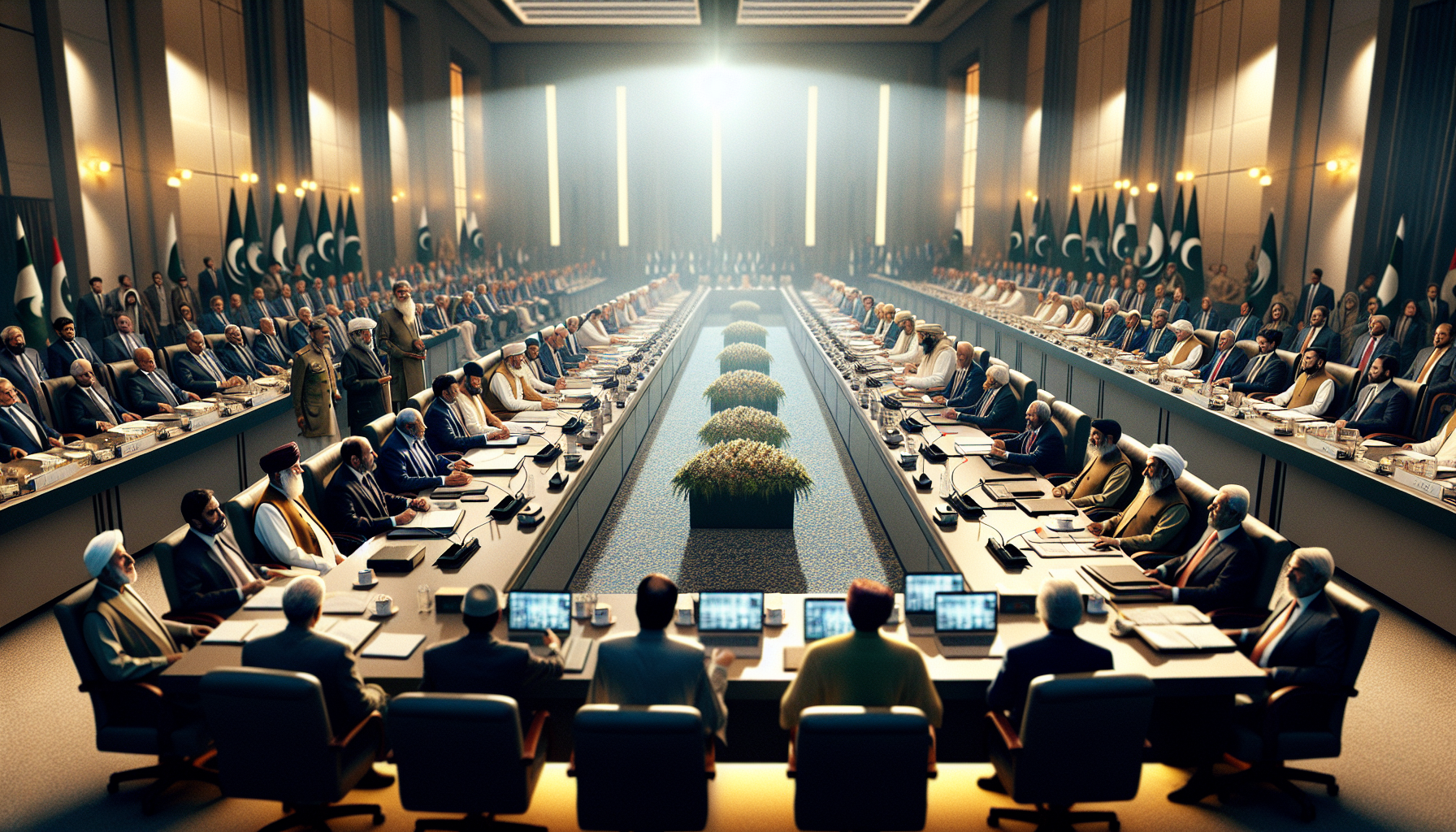
The resolution was reached during a high-level meeting led by President Asif Ali Zardari, which included Prime Minister Shehbaz Sharif, senior cabinet members, provincial chief ministers, and top civil and military officials. The gathering focused on reviewing the country’s security landscape, economic challenges, and the effects of shifting regional dynamics.
Information Minister Attaullah Tarar stated that while the smart lockdown plan has been shelved, other options such as lockdowns, fuel price adjustments, and targeted relief initiatives remain under consideration. He indicated that a final decision on these measures will be announced within the next 24 to 48 hours.
The meeting highlighted the unanimous opposition from all four provinces to the smart lockdown proposal, which was initially considered as part of energy-saving efforts. Consequently, the government opted to abandon the plan. Prime Minister Sharif has consistently rejected suggestions to increase fuel prices, choosing instead to redirect savings from austerity measures toward public relief efforts.
Further steps already taken include cutting government expenditures, reducing development spending, and limiting the use of official vehicles. President Zardari emphasized the importance of ensuring that vulnerable populations are protected during these challenging times and called for enhanced coordination across economic, energy, food security, and security sectors.
He also advocated for public awareness campaigns promoting fuel conservation, the use of public transportation, and shared mobility options. Additionally, he urged authorities to implement measures to alleviate the inflationary impact on essential goods and services.
The meeting featured participation from key figures such as Deputy Prime Minister and Foreign Minister Ishaq Dar, Finance Minister Muhammad Aurangzeb, Interior Minister Mohsin Naqvi, and provincial leaders from Punjab, Sindh, Khyber Pakhtunkhwa, and Balochistan. Representatives from Gilgit-Baltistan and Azad Jammu and Kashmir also contributed, providing updates on efforts to control inflation and maintain the supply of essential commodities.
In a significant development, Ishaq Dar briefed attendees on Pakistan’s diplomatic engagements with Turkey, Saudi Arabia, Egypt, and other nations involved in ongoing regional tensions.
Following the meeting, Khyber Pakhtunkhwa Chief Minister Sohail Afridi confirmed that the smart lockdown proposal was dropped due to divergent views among the provinces. He stressed Pakistan’s role in fostering peace and noted that the Muslim world often looks to Islamabad during crises. Afridi also criticized delays in financial disbursements under the National Finance Commission award and reiterated that the country would not support any measures that impose additional burdens on the public.
