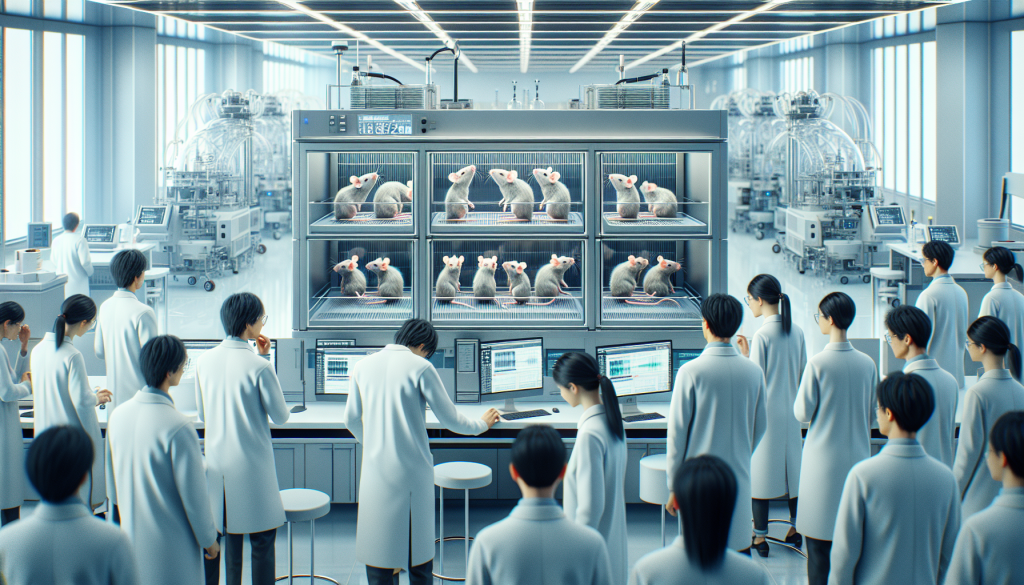
In a groundbreaking study spanning two decades, scientists have uncovered significant genetic limitations associated with the repeated cloning of mice. This extensive research, conducted in Japan from 2005 to 2025, involved producing a total of 1,206 cloned mice originating from a single female donor. While initial generations appeared healthy and showed no outward signs of genetic distress, the study revealed that as cloning continued across multiple generations, harmful mutations accumulated, ultimately resulting in fatal consequences for the animals.
The research team observed no visible abnormalities in the first 25 generations of cloned mice. However, as the cloning process extended beyond this point, genetic mutations began to pile up, compromising the health and viability of the clones. By the 58th generation, despite the clones showing no physical deformities, they succumbed to death within days after birth. This finding challenges the long-held belief that cloned animals are perfect genetic replicas of their original donors and that cloning could be perpetuated indefinitely without adverse effects.
Teruhiko Wakayama, a developmental biologist at the University of Yamanashi and the senior author of the study published in the journal Nature Communications, emphasized the novelty of these findings. He noted that no previous research had pursued re-cloning for such an extended period. “This is the first time we have identified a clear limit to repeated cloning,” Wakayama stated. He further explained that the mutation rate in cloned mice was found to be three times higher than in offspring produced through natural mating, highlighting the inherent risks of serial cloning.
The study also sheds light on why mammals, unlike plants and some lower animals, cannot sustain their species through cloning alone. The accumulation of genetic errors over successive generations appears to be a fundamental barrier. The research team employed nuclear transfer technology—the same method used to create Dolly the sheep in 1996 and the first cloned mouse, Cumulina, in 1998. This technique involves transferring the nucleus from a donor cell into an egg cell that has had its own nucleus removed. In this case, specialized ovarian cumulus cells were used as the donor material.
Initially, the researchers believed that cloning could be an endless process. After producing the first clone, they continued cloning every three to four months, each time using the previous generation as the donor. All clones were female with brown fur, mirroring the original mouse. Preliminary results published in 2013, covering the first 25 generations, suggested that cloning could continue without negative effects. However, the team later realized that they had not examined the genetic sequences in detail at that time, and their extended research revealed the presence of accumulating mutations that ultimately limited cloning viability.
To understand the genetic changes occurring over generations, the researchers sequenced the genomes of 10 clones from different generations. Their findings likened the process to repeatedly photocopying an image: each copy degrades in quality, and after many iterations, the final image becomes drastically different from the original. This analogy underscores the gradual but inevitable decline in genetic integrity caused by serial cloning.
In addition to genetic sequencing, the team assessed the reproductive capacity of the clones by mating them with normal male mice. Up to the 20th generation, the cloned females produced litters comparable in size to naturally bred mice, averaging about 10 pups per litter. However, as mutations accumulated, litter sizes began to shrink, reflecting the detrimental impact of genetic deterioration on fertility.
One of the most concerning discoveries was the emergence of large-scale chromosomal abnormalities starting from the 27th generation. These included the loss of one copy of the X chromosome, a critical genetic component in female mammals who typically carry two X chromosomes. Such chromosomal defects contribute significantly to the decline in clone viability and fertility.
Wakayama expressed disappointment over the study’s findings, stating, “We had hoped that cloning could be an infinite process, but these results show clear biological limits. Currently, we have no solutions to overcome these genetic barriers. It is imperative that new methods be developed to fundamentally improve nuclear transfer technology.”
Ultimately, this research highlights the essential role of sexual reproduction in mammals, which helps to prevent the buildup of harmful mutations through genetic recombination. The study’s revelations provide critical insights into the challenges of cloning technology and its limitations, emphasizing that while cloning remains a powerful scientific tool, it cannot replace natural reproductive processes for sustaining mammalian species over the long term.