The State of Qatar has recently made it clear that it is not serving as a direct mediator between the United States and Iran at this time. Instead, the Gulf nation is concentrating its efforts on bolstering national security and protecting its territorial integrity in the wake of escalating regional hostilities.
During a detailed weekly press briefing held on Tuesday, Dr. Majid bin Mohammed Al Ansari, who serves as an Advisor to the Prime Minister and the official spokesperson for Qatar’s Ministry of Foreign Affairs, addressed the growing tensions in the Middle East. He underscored Qatar’s commitment to promoting peace and de-escalation, while clarifying that the country is not currently involved in direct negotiations between Washington and Tehran, contrary to recent international speculation.
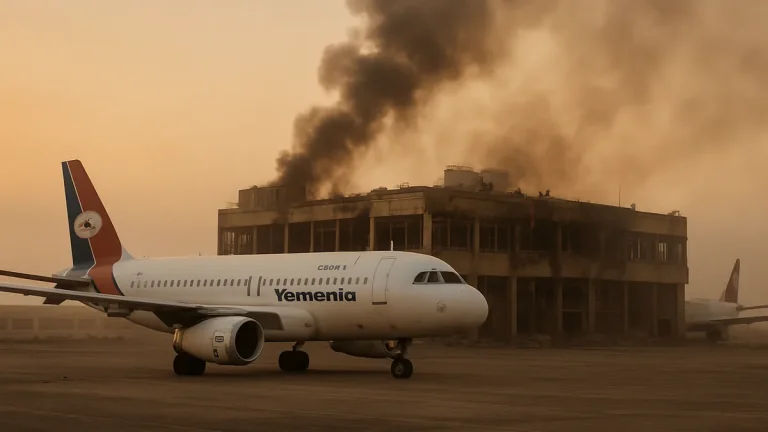
Dr. Al Ansari emphasized that Qatar’s immediate priority lies in defending the nation and managing the consequences of recent military attacks. Over the past few weeks, Qatar has reportedly been subjected to more than 200 missile and drone strikes. Impressively, the country’s advanced air defense systems have intercepted over 90 percent of these assaults, preventing significant damage. These attacks have targeted vital infrastructure, including the strategically important Ras Laffan and Mesaieed industrial zones, which are critical to Qatar’s energy sector and economic stability.
Despite not playing a formal role in mediating the current US-Iran crisis, the spokesperson reiterated Qatar’s unwavering belief in diplomacy as the ultimate path to resolving conflicts. “All conflicts are eventually resolved at the negotiating table,” Dr. Al Ansari stated, highlighting Doha’s continued support for both official and informal diplomatic channels aimed at ending hostilities in the region.
It is worth noting that while Qatar is not directly mediating between the two powers, it maintains close coordination with the United States on matters of regional security and the defense of its own territory. Meanwhile, other regional players such as Egypt, Pakistan, and Turkey have taken more active roles in facilitating dialogue and mediation efforts to de-escalate tensions between Washington and Tehran.
In a related development, the ongoing missile and drone attacks on Qatar have raised concerns about the broader security environment in the Gulf. The country’s robust air defense capabilities have so far been effective in mitigating the impact, but the situation remains volatile. Qatar’s focus on sovereignty and stability reflects the challenges faced by smaller states caught amid larger geopolitical rivalries.
As the region watches closely, Qatar’s stance highlights a careful balancing act: advocating for peace and dialogue while ensuring its own national defense remains uncompromised. The evolving dynamics underscore the complexity of Middle Eastern diplomacy, where multiple actors pursue varied strategies to manage conflict and maintain security.