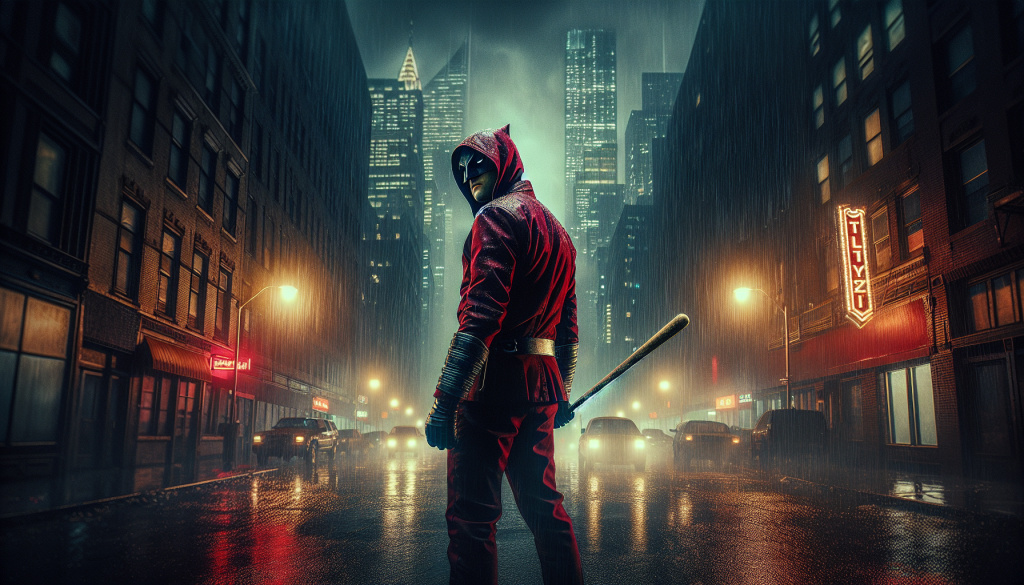
Marvel’s Daredevil: Born Again has made a remarkable comeback with its second season, shedding the slow-paced, courtroom-heavy storytelling that characterized its debut. This time around, the series embraces a darker tone and a more action-driven narrative, placing Matt Murdock, the titular Daredevil, firmly back in the spotlight from the very beginning. Fans have long awaited this shift, and the latest episodes, which premiered on March 24, do not disappoint.
One of the most significant improvements in season two is the early and consistent focus on Daredevil himself. Unlike the first season, where the vigilante’s presence was often overshadowed by legal drama, Charlie Cox’s portrayal now sees Murdock suiting up and engaging in combat almost immediately. This change addresses a major criticism of the initial season and reinvigorates the series with the thrilling superhero action that viewers expect.
The story is set against the gritty backdrop of New York City, now under the iron-fisted control of Mayor Wilson Fisk, played with chilling intensity by Vincent D’Onofrio. Fisk’s regime is marked by an aggressive crackdown on vigilantes, with his Anti-Vigilante Task Force wielding sweeping powers to hunt down masked heroes. This oppressive atmosphere raises the stakes significantly, painting a city where justice is twisted and heroes are branded as criminals.
At the core of this season lies Matt Murdock’s profound internal conflict. Torn between his unwavering moral principles and the violent impulses that come with his alter ego, Daredevil, Murdock’s journey is both compelling and emotionally charged. His alliance with Karen Page, portrayed by Deborah Ann Woll, becomes a central element as they work together to undermine Fisk’s authoritarian grip. Karen’s role is notably expanded this season, adding depth and emotional resonance to the narrative.
Behind the scenes, the show benefits from a more unified creative direction. After a tumultuous first season marked by production challenges, the second season boasts a tighter and more coherent storyline. This consistency is evident in the pacing and character development, which feel more deliberate and impactful throughout the episodes.
Adding to the tension is the introduction of Bullseye, played by Wilson Bethel, who emerges as a formidable and chaotic antagonist. His unpredictable nature injects a fresh wave of suspense and danger, elevating the conflict and keeping viewers on edge. Meanwhile, the action sequences have been amped up considerably, featuring brutal and inventive fight scenes that make full use of Daredevil’s iconic billy club. Although some action moments occasionally repeat familiar beats, the overall tempo is much more engaging and dynamic than before.
In a related development, Jessica Jones, portrayed by Krysten Ritter, makes a welcome return in the later episodes. While her presence adds a burst of energy and connects the series more firmly to the wider Marvel universe, her role remains somewhat limited, leaving fans hoping for a more substantial involvement in future seasons.
Despite these improvements, the series still grapples with an overcrowded cast and several underdeveloped subplots that occasionally disrupt the momentum. However, these minor flaws do little to detract from the season’s strong finish. The finale delivers a spectacular climax that fully embraces the high-stakes drama and action fans have been craving, providing a satisfying payoff to the season’s buildup.
Looking ahead, with a third season already confirmed, Daredevil: Born Again appears poised to continue its upward trajectory. The show is now closer than ever to fulfilling its potential within the Marvel Cinematic Universe, promising even more intense storytelling and character exploration in the episodes to come.