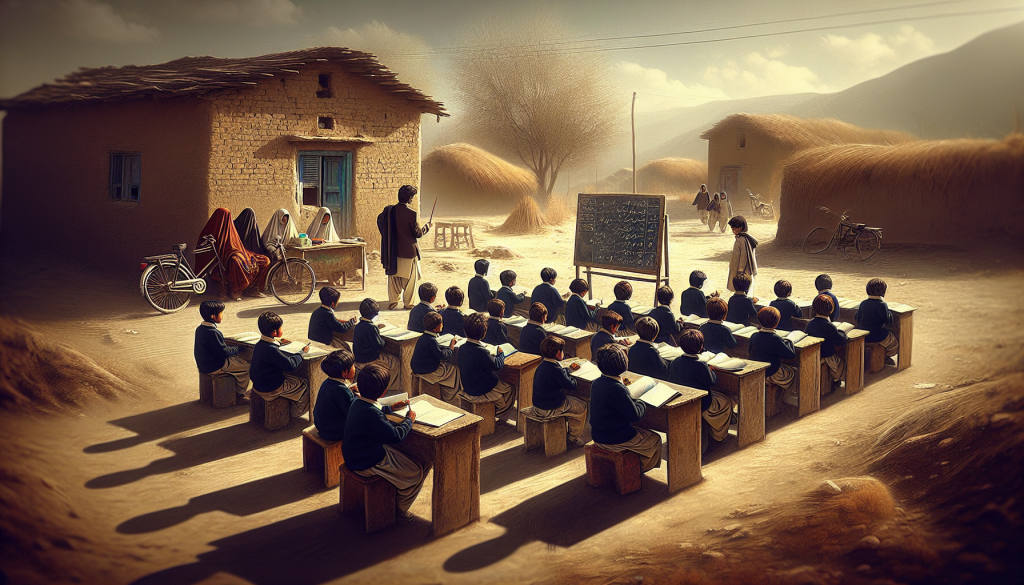
ISLAMABAD: A recent in-depth analysis conducted by Gallup Pakistan, drawing on the latest national survey data, has brought to light a concerning reality about education in Pakistan. The study reveals that nearly 28% of children between the ages of 5 and 16 remain out of school, with girls being significantly more likely to miss out on education compared to their male counterparts. This alarming trend underscores the persistent gender disparities that continue to plague the country’s education system.
The findings are based on data collected through the 2024-25 Pakistan Social and Living Standards Measurement Survey (PSLM) alongside the Household Integrated Economic Survey. These comprehensive surveys, compiled by the Pakistan Bureau of Statistics and analyzed via Gallup Pakistan’s Digital Analytics Dashboard, provide a detailed snapshot of the current educational landscape across Pakistan. the analysis, 34% of girls are not attending school, in contrast to 22% of boys, highlighting a stark gender gap that remains deeply entrenched despite ongoing efforts to promote equal access to education.
Geographical disparities further compound this issue. The data shows that children living in rural areas are far more likely to be out of school, with 34% of rural children not enrolled compared to just 18% in urban centers. This gap is even more pronounced for rural girls, who face the dual challenges of gender bias and limited access to educational facilities. Experts emphasize that these overlapping disadvantages create significant barriers, preventing many girls from pursuing formal education and thereby limiting their future opportunities.
Despite these challenges, there have been some positive developments over time. Nationally, about 67% of individuals aged 10 and above have attended school at some point in their lives. However, this overall figure masks considerable inequalities. School attendance among men stands at 78%, while only 56% of women have had similar educational experiences. Urban areas report higher attendance rates at 81%, whereas rural regions lag behind at 61%, reflecting the persistent urban-rural divide in educational access.
Literacy rates mirror these disparities. The national literacy rate is currently estimated at 63%, but when broken down by gender, it rises to 73% for men and falls sharply to 52% for women. Urban literacy rates are recorded at 77%, significantly higher than the 56% seen in rural areas. Provincial differences are also significant, with Punjab boasting a literacy rate of 66%, while Balochistan struggles with a much lower rate of 43%. These figures highlight the uneven distribution of educational resources and opportunities across the country.
Another critical concern emerging from the data is the issue of student retention and progression through the education system. While primary school enrollment for children aged 6 to 10 stands at 68%, the numbers drop dramatically as students move to higher grades. Enrollment falls to 40% at the middle school level (ages 11 to 13) and declines further to just 30% at the matriculation stage (ages 14 to 15). This steep decline indicates that a significant number of children, especially girls, are unable to continue their education beyond the early years, often due to economic pressures, cultural norms, or inadequate school infrastructure.
Education specialists argue that these statistics point to systemic issues within Pakistan’s education framework. While access to schooling has improved over recent years, these gains have not translated into sustained attendance or equitable participation for all children. They warn that without addressing the underlying structural barriers—such as poverty, gender discrimination, and rural underdevelopment—many children will continue to be denied the opportunity to complete their education.
In a related development, policymakers and education advocates are calling for targeted interventions to bridge these gaps. Efforts such as improving school facilities in rural areas, providing financial incentives for girls’ education, and community awareness programs are seen as essential steps toward achieving more inclusive and equitable education. The hope is that with sustained focus and investment, Pakistan can move closer to ensuring that every child, regardless of gender or location, has the chance to learn and thrive.