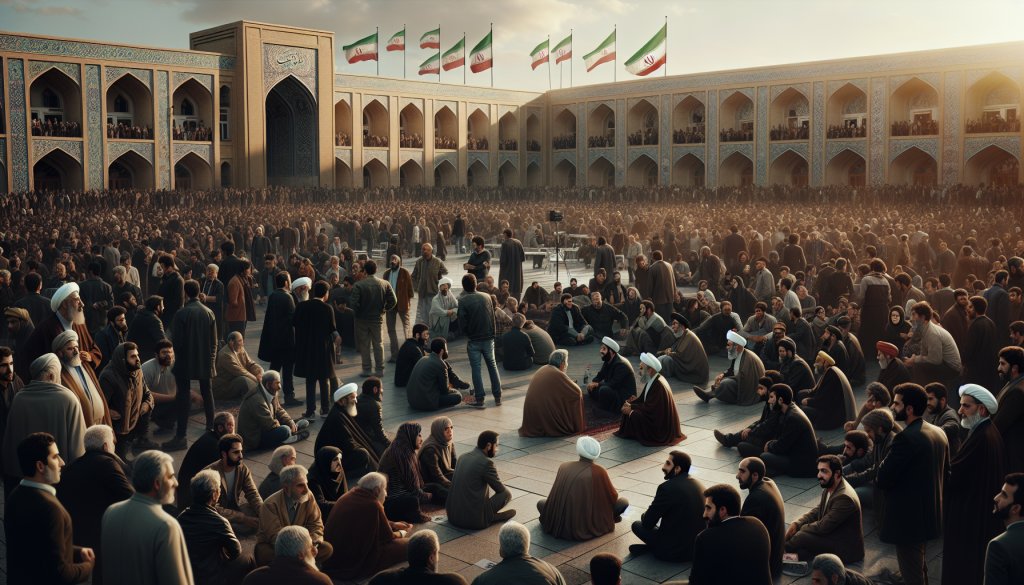
As discussions around the possibility of peace talks to bring an end to the ongoing war gain international attention, opinions among Iranians remain deeply divided. While some citizens outright dismiss the idea of negotiations, believing that dialogue will not lead to a meaningful resolution, others express apprehension that any agreement might simply preserve the current leadership without addressing the root causes of the conflict.
For many Iranians, the prospect of talks raises complex questions about the future of their country. Skeptics argue that previous attempts at dialogue have failed to produce tangible results, fostering a sense of distrust toward both domestic and foreign actors involved in the peace process. This skepticism is often fueled by years of hardship and uncertainty, which have left many weary of promises that seem unlikely to materialize.
On the other hand, there is a significant portion of the population that worries a negotiated settlement could entrench the existing political establishment rather than usher in meaningful change. These concerns stem from fears that the current regime might use peace talks as a strategy to maintain its grip on power, sidelining reformist voices and ignoring the demands of those who seek greater political freedoms and social justice.
It is worth noting that the broader geopolitical context also influences public sentiment. Regional dynamics, international pressures, and the involvement of global powers complicate the situation, making the path to peace even more uncertain. Many Iranians watch these developments closely, hoping for an outcome that prioritizes the welfare of ordinary citizens over political maneuvering.
Meanwhile, civil society groups and activists continue to advocate for a peaceful resolution, emphasizing the human cost of prolonged conflict. They call for inclusive negotiations that address not only the cessation of hostilities but also the underlying issues that have fueled the war. Their voices highlight the urgent need for a comprehensive approach that can pave the way for lasting stability and reconciliation.