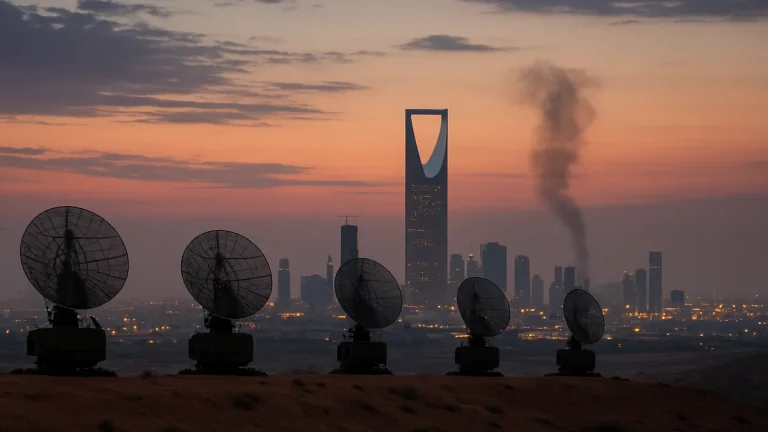
In a significant development amid escalating tensions in the Middle East, US President Donald Trump expressed cautious optimism that Israel would honour a ceasefire agreement potentially emerging from ongoing American diplomatic efforts with Iran. Speaking to reporters in Florida on Monday, Trump conveyed his belief that Israeli officials would ultimately support the outcome of these negotiations, though he was careful to clarify that he could not offer an ironclad guarantee of Tel Aviv’s compliance.
Trump remarked, “I think Israel will be very happy with what we have,” emphasizing that the prospective deal could usher in long-term peace for the region. He described the agreement as a “guaranteed peace,” should it come to fruition. However, he quickly tempered his remarks by acknowledging the inherent uncertainties in such complex negotiations, stating, “And you know, I can’t guarantee it, but I think it’s going to, my life is a deal, that’s all I do is deals.” This candid admission highlights the delicate balance the US administration is attempting to maintain between optimism and realism.
These comments arrive during a fragile phase of diplomacy, now in its fourth week, as the United States seeks to convert mounting military pressure on Iran into a negotiated settlement. The primary objectives remain curbing Tehran’s nuclear ambitions and limiting its influence over proxy groups throughout the region. This diplomatic push comes against a backdrop of heightened conflict and uncertainty, with both sides wary but tentatively engaging in dialogue.
In a related announcement, President Trump revealed that he had ordered the US military to delay planned strikes on Iranian energy infrastructure, including power plants, for a period of five days. He described recent discussions with Iranian representatives as “very good and productive,” suggesting that the threat of significant military action, which he estimated could inflict damages exceeding $10 billion, had compelled Tehran to consider negotiations seriously. Trump underscored that any final agreement must ensure Iran abandons its nuclear program and ceases its support for proxy conflicts that destabilize the region.
Despite these developments, Iranian officials have firmly denied engaging in direct talks with the United States. They dismissed Trump’s statements as a strategic move aimed at calming soaring global energy prices triggered by the ongoing conflict. This denial adds another layer of complexity to the already tenuous diplomatic landscape, reflecting deep mistrust and competing narratives from both sides.
Meanwhile, global markets responded positively to the prospect of de-escalation. Oil prices eased, and stock markets rallied on Monday as investors weighed the possibility that the conflict might be moving toward a resolution. This market reaction underscores the far-reaching economic implications of the crisis and the hopes pinned on diplomacy to restore stability.
On the Israeli front, Prime Minister Benjamin Netanyahu, who engaged in talks with President Trump on Monday, expressed cautious support for the US-led diplomatic efforts. He acknowledged that the president believed recent battlefield gains could be leveraged into a lasting agreement that safeguards Israel’s core security interests. Nevertheless, Netanyahu was unequivocal in his commitment to continue Israeli military operations against Iran and Hezbollah in Lebanon, emphasizing that protecting Israel’s vital interests remains paramount under any circumstances.
Netanyahu’s stance reflects Israel’s historical experience with ceasefire agreements brokered by the United States, particularly those involving Gaza and Lebanon, which have frequently been marred by accusations of violations from all parties involved. This historical context adds to the skepticism surrounding the durability of any new truce and highlights the challenges ahead.
Adding a new dimension to the unfolding situation, reports suggest that Pakistan may be playing a discreet but pivotal role as a mediator in these backchannel negotiations. There are indications that high-level talks could soon take place in Islamabad, potentially involving US Vice President JD Vance or senior American envoys alongside Iranian officials. Such a summit, if it materializes this week, could mark a crucial step toward bridging the divide between Washington and Tehran.
President Trump has informally expressed a desire to see hostilities wind down by early April, signaling an urgent push for peace. However, analysts caution that the deep-rooted mistrust between the parties, especially Israel’s insistence on securing its national safety, makes any ceasefire agreement inherently fragile. The coming days will be critical in determining whether diplomacy can prevail over conflict in this volatile region.