The escalating conflict involving Iran poses a significant threat to global energy markets, with the potential to trigger an unprecedented crisis in supply chains that could ripple across economies worldwide. While the full extent of the fallout remains to be seen, it is already evident that certain countries are more susceptible to the economic shocks caused by disruptions in energy availability and price surges. These nations either depend heavily on imports from the region or lack the financial resilience to absorb the consequences.
Turning first to the major advanced economies, Europe stands out as particularly vulnerable. The continent is still grappling with the aftereffects of the Russian invasion of Ukraine, which exposed its heavy reliance on energy imports and sent inflation rates soaring to double digits. This recent history has left European countries wary, as a fresh energy crisis could exacerbate inflationary pressures and stall economic recovery efforts.
Germany, with its industrial powerhouse economy, faces considerable risks from rising energy costs. The manufacturing sector, which forms the backbone of Germany’s exports, had only recently emerged from a period of contraction that began in 2022. Any increase in energy prices threatens to undermine this fragile recovery. Although the German government introduced a substantial stimulus package last year aimed at cushioning the blow, budgetary constraints in the coming years limit the scope for further fiscal support, leaving the economy exposed to external shocks.
Italy, another European nation with a significant manufacturing base, is also at risk. The country relies heavily on oil and gas for its primary energy consumption, with these fuels accounting for one of the highest shares in Europe. This dependency makes Italy particularly sensitive to disruptions in supply or price hikes, which could slow industrial output and increase living costs for consumers.
Meanwhile, the United Kingdom’s electricity generation depends more on gas-fired power plants than many of its European counterparts. Since gas prices typically dictate electricity costs, the UK is vulnerable to the rapid price increases witnessed since the outbreak of the conflict. Although the government’s energy price cap has helped mitigate the immediate inflationary impact, it may inadvertently lead to higher interest rates. This scenario could result in the UK facing the highest borrowing costs among G7 countries at a time when unemployment is on the rise. Additionally, budgetary pressures and volatility in the bond market restrict the government’s ability to provide further relief to households and businesses.
Across Asia, Japan finds itself squarely in the line of fire. The country imports approximately 95% of its crude oil from the Middle East, with nearly 90% of that supply passing through the strategically vital Strait of Hormuz. This heavy reliance on a volatile region compounds existing inflationary pressures fueled by a weakening yen. The rising costs of food and essential goods, driven by Japan’s dependence on imported raw materials, are squeezing household budgets and threatening to dampen consumer spending.
Emerging economies in the Gulf region are also feeling the strain. Once expected to experience robust growth this year, some forecasts now predict economic contraction due to the conflict. The sharp rise in oil and gas prices offers little relief if the effective closure of the Strait of Hormuz prevents countries like Kuwait, Qatar, and Bahrain from exporting their hydrocarbons. Moreover, the conflict threatens to disrupt remittances—funds sent home by expatriate workers—which are a critical source of income for many families and a vital component of these countries’ economies.
India, a major emerging market, is particularly exposed given its heavy dependence on imported crude oil and liquefied petroleum gas (LPG). Roughly 90% of India’s crude oil and nearly half of its LPG imports transit through the Strait of Hormuz. The conflict has already led economists to revise downward the country’s growth projections, while the rupee has plummeted to record lows. On the ground, rising gas prices have forced informal rationing in many households and restaurants, with staples like samosas, dosa, and chai becoming less common as cooking fuel costs soar.
Turkey, sharing a border with Iran, faces a dual challenge. It must prepare for a potential influx of refugees while managing increased geopolitical uncertainty. Economically, the country is confronting inflationary pressures reminiscent of past crises. The central bank has halted its cycle of interest rate cuts twice within a year and has spent up to $23 billion from its foreign reserves in efforts to stabilize the Turkish lira and support the economy.
Finally, several countries already grappling with fragile economic conditions appear especially vulnerable to the fallout from the Iran conflict. Sri Lanka, still recovering from a severe economic crisis, has implemented drastic measures including declaring every Wednesday a public holiday for state employees to reduce energy consumption. The government has also closed schools and universities, suspended non-essential public transport, and introduced a National Fuel Pass system to limit fuel purchases.
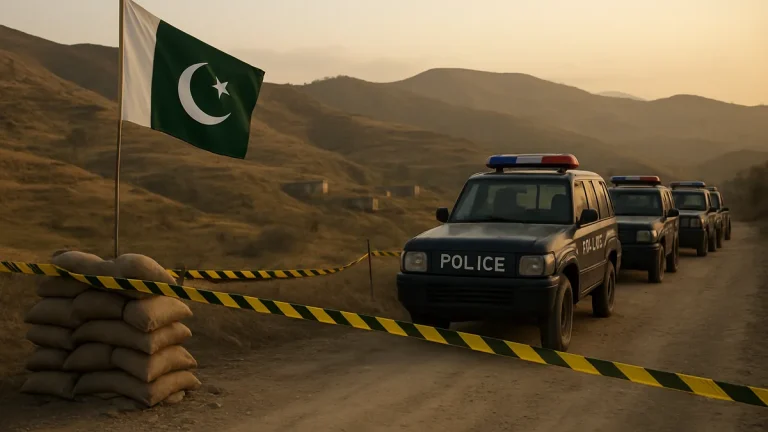
Pakistan, which narrowly avoided economic collapse two years ago, has responded by raising petrol prices and shutting schools for two weeks. Government departments face cuts in fuel allowances, bans on purchasing new air conditioners and furniture, and orders to reduce the number of vehicles in use. These austerity measures highlight the country’s limited capacity to absorb further shocks.
Egypt is contending with soaring costs for fuel and food staples while facing the prospect of sharp declines in revenues from the Suez Canal and tourism—two critical sources of foreign currency that brought in nearly $20 billion last year. The depreciation of the Egyptian pound by nearly 9% since the conflict began has further complicated debt repayments, most of which are denominated in U.S. dollars, adding to the country’s economic challenges.
In summary, the Iran conflict threatens to disrupt global energy supplies and trigger widespread economic instability. While the impact will be felt worldwide, countries with high energy import dependencies, fragile fiscal positions, or geopolitical vulnerabilities are likely to bear the brunt of the crisis. The situation demands close monitoring as governments navigate the complex interplay of energy security, inflation control, and economic growth in an increasingly uncertain global landscape.