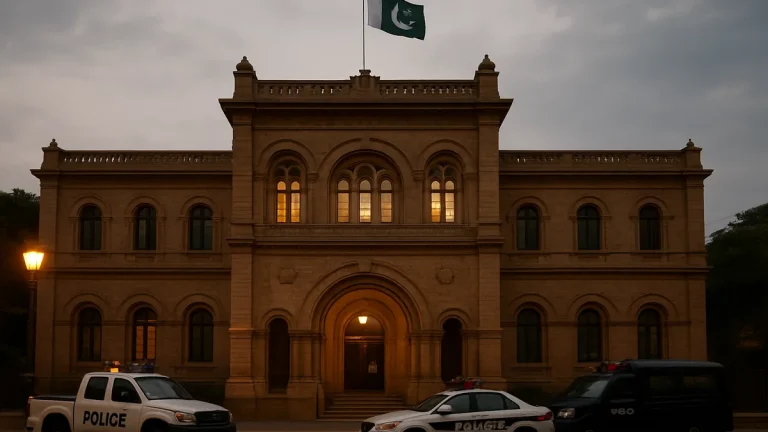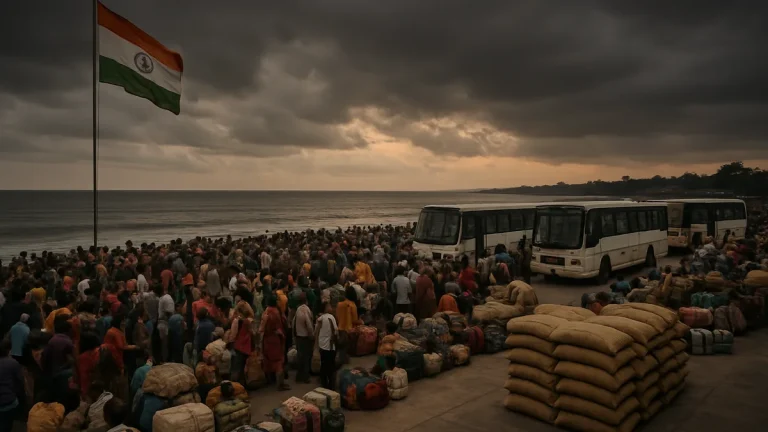
The United States Department of State has issued a directive for the immediate departure of non-emergency US government employees along with their family members from its consulates located in Lahore and Karachi. This decision comes as a response to the increasing security threats in Pakistan, particularly in light of the ongoing conflict between the US and Iran that erupted on February 28, 2026. Despite these developments, the operational status of the US Embassy in Islamabad remains unchanged for now.
This advisory reflects growing concerns about potential drone and missile strikes targeting American interests in Pakistan, as well as anticipated disruptions to commercial aviation routes. The heightened alert follows a series of escalating tensions in the region, which have prompted the US Mission in Pakistan to reassess the safety of its personnel and their families stationed outside the capital.
In addition to the direct threats linked to the US-Iran conflict, the State Department has highlighted an increased risk of terrorism within Pakistan itself. Particular attention has been drawn to the provinces of Balochistan and Khyber Pakhtunkhwa (KP), where extremist groups have been responsible for a number of deadly attacks in recent months. These violent incidents have not been confined to remote areas; major urban centers such as Karachi and Islamabad have also witnessed attacks targeting critical infrastructure including transportation hubs, hotels, marketplaces, government offices, and security personnel.
Authorities have also issued warnings regarding public demonstrations, which have become more frequent and sometimes volatile. Participation in protests or sharing content critical of the Pakistani government on social media could lead to detention, as security forces maintain a strict stance on dissent. Additionally, internet and mobile communication services may be intermittently suspended during such events, further complicating communication for residents and visitors alike.
Travelers within Pakistan are urged to exercise heightened vigilance due to ongoing crime and security challenges. Common offenses such as pickpocketing, bag-snatching, and mobile phone theft continue to pose risks, although law enforcement agencies in major cities are generally better equipped to respond swiftly. Despite this, the overall security environment remains fragile, especially in regions with active militant presence.
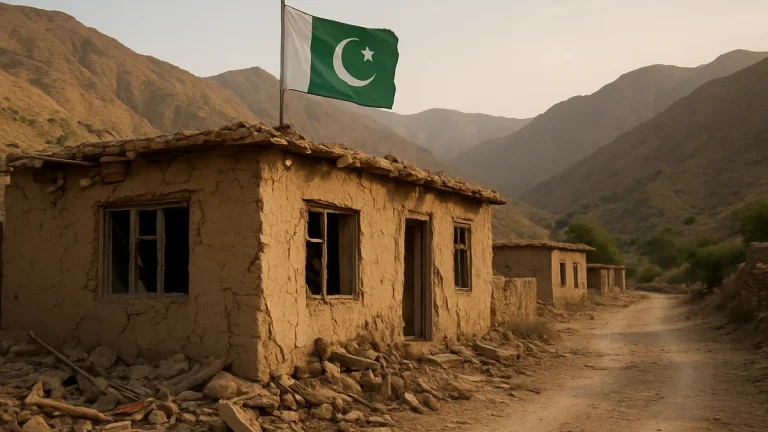
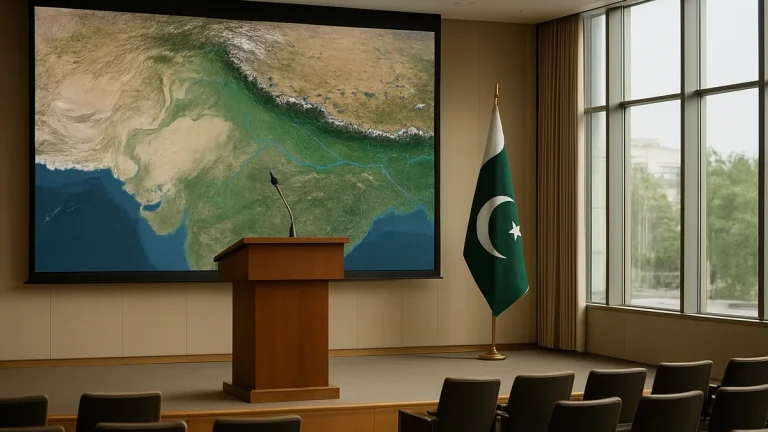
The advisory specifically categorizes several areas as Level 4 – ‘Do Not Travel’ zones due to their elevated threat levels. These include the entire Balochistan province, where terrorism, kidnappings, and extremist violence are prevalent. Similarly, Khyber Pakhtunkhwa, including the former Federally Administered Tribal Areas (FATA), faces frequent attacks targeting civilians, government officials, and non-governmental organizations. The Line of Control in Kashmir is also highlighted as a high-risk area, with ongoing militant activity and the potential for armed conflict. It is important to note that the only official border crossing between Pakistan and India remains at Wagah-Atari in Punjab.
The advisory further emphasizes that US government support is limited outside Islamabad, Lahore, and Karachi, particularly in volatile regions such as KP, Balochistan, Azad Kashmir, and other remote locations. Dual US-Pakistani nationals should be aware that Pakistani law treats them exclusively as Pakistani citizens, which may affect their access to consular assistance and legal protections.
To enhance personal safety, travelers are encouraged to enroll in the Smart Traveler Enrollment Program (STEP), avoid all demonstrations and large gatherings, stay informed through local news outlets, and maintain flexible travel plans. Carrying valid and up-to-date travel documents is essential, as is considering travel insurance that includes evacuation coverage. The advisory underscores that individuals should not rely solely on US government assistance during emergencies and must prepare independent evacuation strategies.
In summary, the US government’s decision to withdraw non-essential personnel from Lahore and Karachi reflects a cautious approach amid a complex and deteriorating security landscape in Pakistan. The move serves as a reminder of the broader geopolitical tensions affecting the region and the ongoing challenges posed by domestic security threats. Travelers and expatriates are urged to remain alert and take all necessary precautions to ensure their safety during this uncertain period.