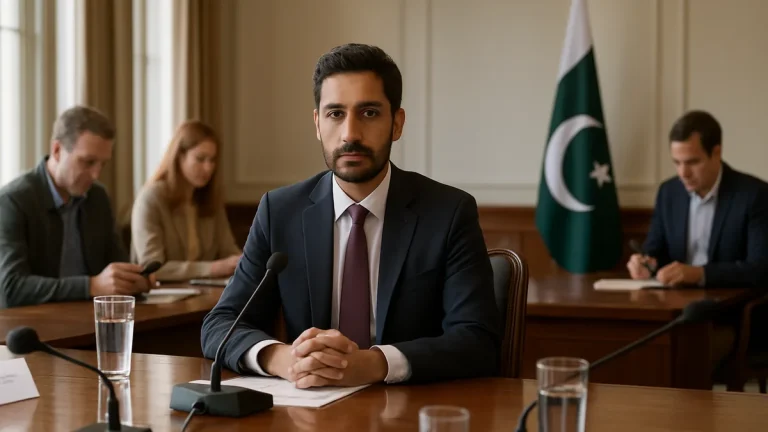
The Pakistan Tehreek-e-Insaf (PTI) has announced its decision to boycott the scheduled briefing at the Prime Minister’s House concerning the escalating regional situation following recent US and Israeli military actions against Iran. This move comes amid growing political tensions within Pakistan and heightened sensitivity over developments in the broader Middle East region.
Earlier in the day, PTI convened a meeting of its political committee in Islamabad, where senior party leaders engaged in extensive discussions about both the domestic political landscape and the shifting dynamics on the international stage. The committee’s deliberations focused on the implications of the recent attacks on Iran, as well as the ongoing instability along Pakistan’s western borders, particularly the fragile security environment near Afghanistan.
Following the meeting, PTI released a detailed statement condemning the military strikes carried out by the United States and Israel, describing these actions as a clear breach of international law and a dangerous escalation in an already volatile region. The party expressed profound grief over the loss of innocent lives, including more than 160 female students who perished in the attacks, highlighting the human cost of such conflicts. In a solemn gesture, the committee offered Fatiha prayers for the late Iranian Supreme Leader Ali Khamenei and for those who have lost their lives amid ongoing protests within Iran.
The statement also strongly criticized the use of excessive force by state authorities against peaceful demonstrators, calling for a thorough and transparent investigation into the reported incidents of violence. This condemnation reflects PTI’s broader concerns about human rights violations and the suppression of dissent in the region.
Turning to Pakistan’s own security challenges, the committee voiced serious apprehensions regarding the tense situation along the Pakistan-Afghanistan border. The party underscored the need for a measured and strategic approach to border management to prevent further escalation and ensure the safety of civilians residing in these vulnerable areas.
Crucially, PTI made it clear that it will not participate in the Prime Minister House briefing unless its key demand is met: the arrangement of a meeting with the party’s founder, Imran Khan. The committee emphasized that their attendance hinges on this condition, signaling ongoing friction between the ruling establishment and PTI leadership. The statement reiterated the party’s unwavering commitment to upholding judicial independence and safeguarding the constitutional rights of Imran Khan.
Furthermore, PTI called for the immediate facilitation of meetings between Imran Khan, his family members, and his legal team. The party stressed the urgency of transferring Khan to Shifa International Hospital to ensure he receives proper medical care. It also insisted that his treatment should be conducted under the supervision of his personal doctors and in the presence of his family, highlighting concerns over his health and well-being amid political turmoil.
In summary, PTI’s refusal to attend the briefing at the Prime Minister House signals a deepening political divide and underscores the party’s insistence on addressing internal leadership issues before engaging in discussions on regional security. This development adds another layer of complexity to Pakistan’s domestic politics at a time when the country is navigating sensitive geopolitical challenges and striving to maintain stability on multiple fronts.