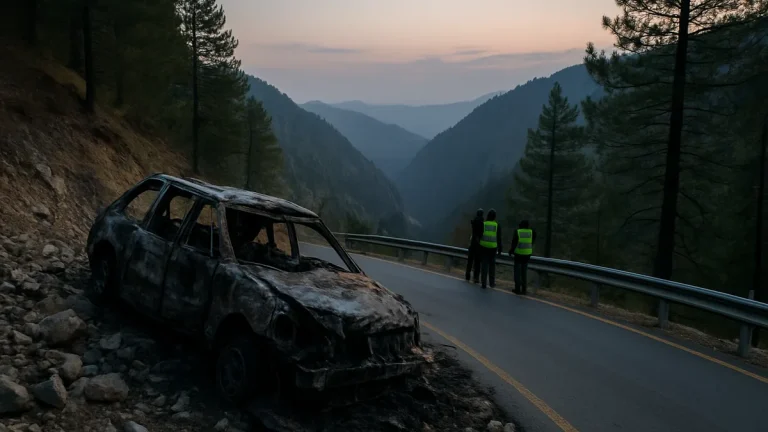
On Sunday, Pakistan witnessed a wave of intense protests that rapidly escalated into violence, resulting in the deaths of at least 20 individuals and injuring many more. The unrest erupted after the confirmed assassination of Iran’s Supreme Leader, Ayatollah Ali Khamenei, in coordinated air strikes carried out by US and Israeli forces targeting Tehran. This shocking development sent shockwaves through Pakistan’s diverse population, particularly within the Shia Muslim community, who hold Khamenei in high religious regard.
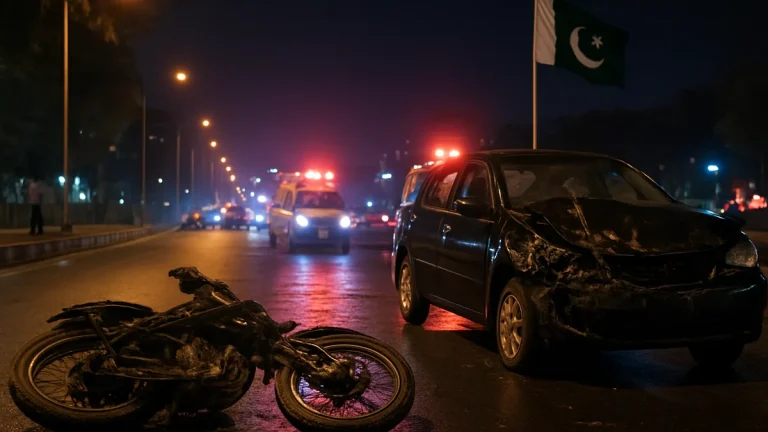
The demonstrations, largely organized by members of Pakistan’s significant Shia minority, quickly spread to multiple cities across the country. In Karachi, the nation’s largest metropolis, clashes between protesters and security personnel turned especially violent. Reports indicate that around 10 people lost their lives there, with many injured as demonstrators attempted to breach the perimeter of the US consulate. Meanwhile, in the northern city of Skardu, at least eight fatalities were recorded amid similar confrontations, and the capital city Islamabad saw two deaths during protests near key government buildings.
Pakistan, with a population exceeding 250 million, is predominantly Sunni Muslim, but its Shia community accounts for more than 20 percent of the total populace, dispersed throughout the country. For many Shias in Pakistan, Ayatollah Khamenei was not only a political figure but also a deeply revered spiritual leader. His assassination has therefore ignited profound anger and grief, fueling the widespread demonstrations. This unrest reflects the complex sectarian dynamics within Pakistan, where religious identity often intersects with political loyalties and regional geopolitics.
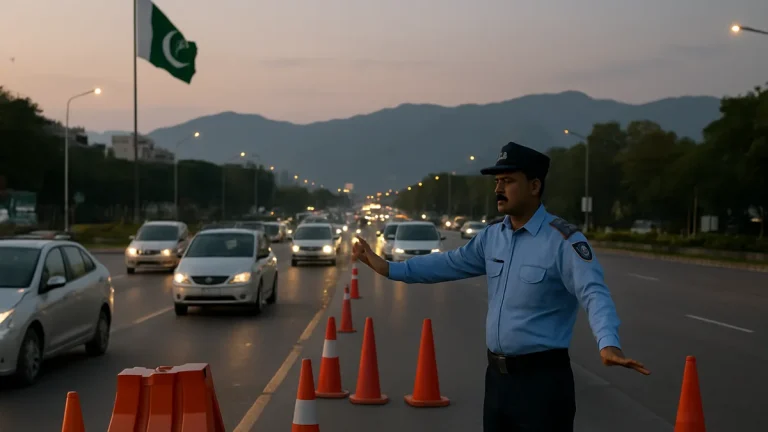
In Islamabad, thousands gathered near the heavily secured Red Zone, an area that houses the parliament, key government offices, and foreign embassies. The crowd included men, women, and children, all united in their expression of outrage. Protesters carried placards featuring Khamenei’s image and chanted slogans condemning the United States and Israel, accusing them of betrayal and demanding retribution. One young protester, Syed Nayab Zehra, 28, who attended with her family, expressed the community’s sentiment: “We want the world to understand that the Shia community should not be underestimated. We are here to send a clear message that we will seek justice. We cannot rely on our government, so we must stand up for ourselves.”
Security forces responded to the protests with measures intended to disperse the crowds, including the use of tear gas and rubber bullets in several locations. However, in Karachi, where tensions were highest, there are reports that live ammunition was employed as demonstrators tried to storm the US consulate. The Pakistani government has publicly condemned the US-Israeli operation that led to Khamenei’s death, while simultaneously criticizing Iran’s retaliatory strikes that have heightened instability in the region. Despite this official stance, many protesters accuse Islamabad of failing to show adequate solidarity with Iran, revealing deep divisions within Pakistan’s political and social landscape.
The assassination of Ayatollah Khamenei, who had ruled Iran for decades with a firm stance against both the US and Israel, has sent ripples throughout the Muslim world. Iran has declared a 40-day mourning period and continues to launch retaliatory attacks, raising fears of a wider regional conflict. In Pakistan, the violent protests underscore the potential for the Israel-Iran crisis to spill over into domestic unrest, threatening the fragile security situation in the country. Authorities have called for calm and restraint, but the atmosphere remains tense as communities grapple with the loss of a figure many regarded as a spiritual guide and political symbol.
As the situation develops, the Pakistani government faces the challenge of balancing its diplomatic relations while managing internal sectarian sensitivities. The recent violence serves as a stark reminder of how international conflicts can have profound and immediate impacts on Pakistan’s internal stability, especially in a country where religious affiliations deeply influence social cohesion and political allegiances.