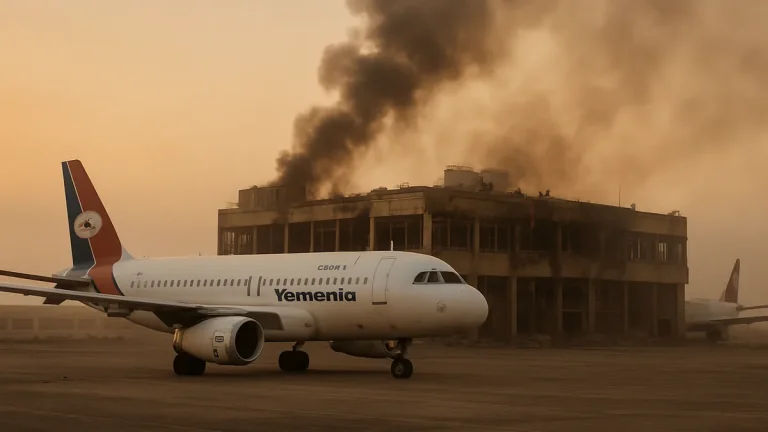
Beijing has issued a strong appeal for an immediate cessation of all military activities in Iran, emphasizing the urgent need to prevent further destabilization in an already volatile region. The Chinese government expressed deep concern over the recent surge in military strikes, particularly those carried out by the United States and Israel, which Beijing views as clear violations of international law. These developments, officials warn, risk exacerbating tensions not only within Iran but across neighboring countries and the broader Gulf area.
During a routine press briefing, Mao Ning, spokesperson for the Chinese Foreign Ministry, highlighted the gravity of the situation, underscoring that the sovereignty, security, and territorial integrity of Gulf states must be respected without exception. She stressed that China supports initiatives aimed at enhancing communication and fostering dialogue among regional actors to avoid any further escalation of hostilities. This call for restraint reflects Beijing’s broader diplomatic stance on maintaining stability and peace in the Middle East.
Adding to the complexity of the situation, Mao Ning clarified that China was not forewarned about the recent US military operations in the region. She also firmly rejected allegations linking China to missile sales to Iran, describing such claims as baseless and malicious attempts to tarnish China’s international reputation. These denials come amid heightened scrutiny of China’s role in Middle Eastern affairs, as global powers closely monitor the unfolding conflict.
The Foreign Ministry also confirmed the tragic death of one Chinese citizen in Tehran amid the ongoing violence. In response, Beijing has urged all Chinese nationals residing in Iran to evacuate immediately for their safety. To date, over 3,000 Chinese citizens have already been safely relocated out of the country, reflecting the seriousness with which China is treating the security risks posed by the conflict.
In light of reports concerning the potential assassination of Iran’s Supreme Leader, Mao reiterated China’s longstanding opposition to the use of force as a means of resolving international disputes. She emphasized that military interventions tend to deepen conflicts rather than resolve them, advocating instead for peaceful dialogue and negotiation. Furthermore, China continues to maintain communication channels with the United States, including discussions about possible high-level exchanges such as a visit by former US President Donald Trump, signaling Beijing’s interest in diplomatic solutions.
China also voiced its support for the United Nations Security Council to take an active role in mediating the crisis, calling for a coordinated multilateral approach to prevent the conflict from spiraling into a wider regional war. This stance aligns with China’s broader foreign policy goals of promoting stability through international cooperation and respect for sovereignty.
The recent statements from Beijing come amid escalating tensions in the Middle East, following targeted strikes by US and Israeli forces on Iranian military and strategic installations. These attacks have heightened fears of a broader confrontation that could engulf the Gulf region and beyond, raising the stakes for all involved parties. China’s call for restraint and dialogue underscores the urgent need for diplomatic engagement to avoid further deterioration of peace and security in this critical part of the world.