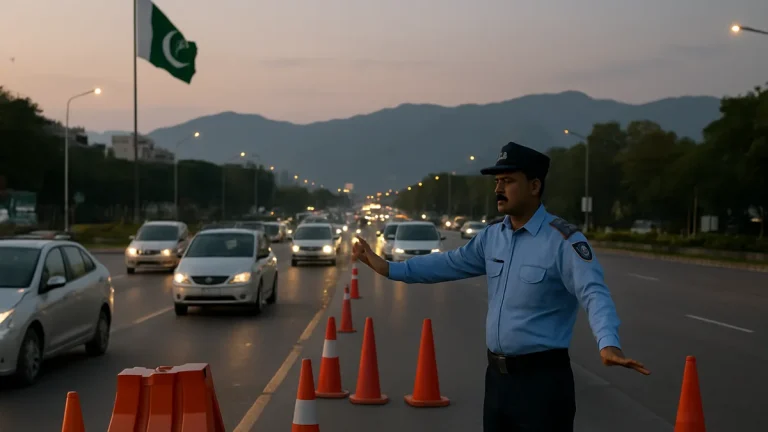
The Punjab government has taken a significant step by imposing Section 144 across the entire province, effectively prohibiting public gatherings, rallies, and demonstrations for a duration of seven days. This directive was formalized through an official notification released by the Punjab Home Department, highlighting the urgency of maintaining law and order in the face of emerging security challenges.
The notification elaborates that the restrictions have been put in place due to credible intelligence pointing towards potential terrorist threats targeting sensitive congregations. Authorities have expressed concerns that such assemblies could be exploited by hostile elements to carry out violent acts, thereby endangering public safety. In particular, religious scholars and community leaders have been identified as possible targets for those seeking to incite sectarian strife or unrest.
To mitigate these risks, the Home Department emphasized that the ban on public gatherings without prior official permission is a precautionary measure aimed at preserving peace and preventing any disruption to the social fabric of the province. Furthermore, the notification strictly prohibits the display or carrying of weapons in public spaces throughout Punjab during this period, underscoring the government’s commitment to curbing violence.
Alongside the Section 144 enforcement, the government of Pakistan has also announced a comprehensive nationwide ban on the operation of all drones, encompassing recreational, commercial, and other unmanned aerial vehicles (UAVs). This decision stems from heightened security concerns regarding the potential misuse of aerial technology. Provincial administrations have been directed to rigorously implement this ban, although law enforcement and intelligence agencies have been exempted to continue their operations unhindered.
Violations of these restrictions are subject to strict legal consequences under Section 144, with police officers, particularly Station House Officers (SHOs), empowered to initiate legal proceedings against offenders. The overarching goal of this policy is to prevent the unauthorized use of drones, which could pose threats to public safety and national security.
Following the federal government’s lead, the Sindh Home Department has also imposed a similar prohibition on drones, UAVs, and quadcopters within the province. This ban will remain in effect for 60 days, starting immediately, and applies to all civilian users except authorized law enforcement and intelligence personnel. Officials in Sindh have stressed that this measure is intended to strengthen security protocols and eliminate any potential misuse of aerial devices that could compromise public safety or facilitate unlawful activities.
These coordinated efforts by provincial and federal authorities reflect a broader strategy to enhance internal security and safeguard citizens from emerging threats. The temporary restrictions, while impactful on public life and certain freedoms, are deemed necessary to maintain stability during a period of heightened alert. Citizens are urged to comply with the regulations and cooperate with law enforcement agencies to ensure a peaceful environment across the country.