In a sudden escalation of unrest, demonstrators gathered in large numbers outside the United States Consulate in Karachi after reports emerged about the death of Iran’s Supreme Leader Ali Khamenei. The news, which claimed Khamenei was assassinated in a US-Israel strike, sparked immediate outrage among certain groups in the city, leading to intense protests in the vicinity of the diplomatic mission.
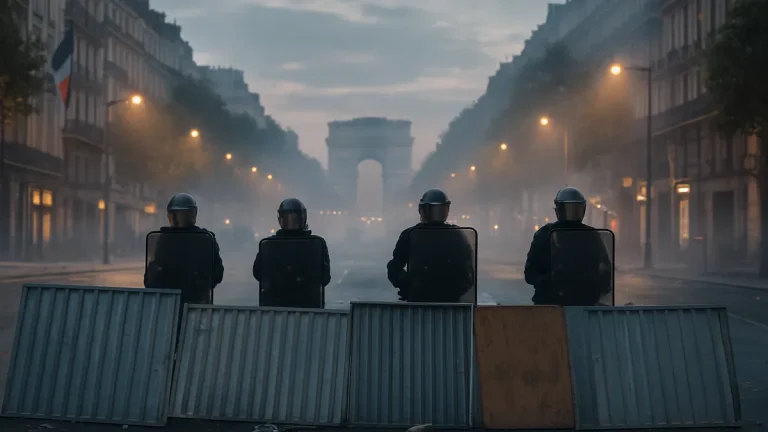
Local law enforcement agencies swiftly responded to the growing crowd by deploying security personnel to the scene. To control the situation and prevent it from spiraling out of control, police resorted to using tear gas and firing warning shots into the air. These measures were aimed at dispersing the protesters who had gathered in defiance, creating a tense atmosphere around the consulate.
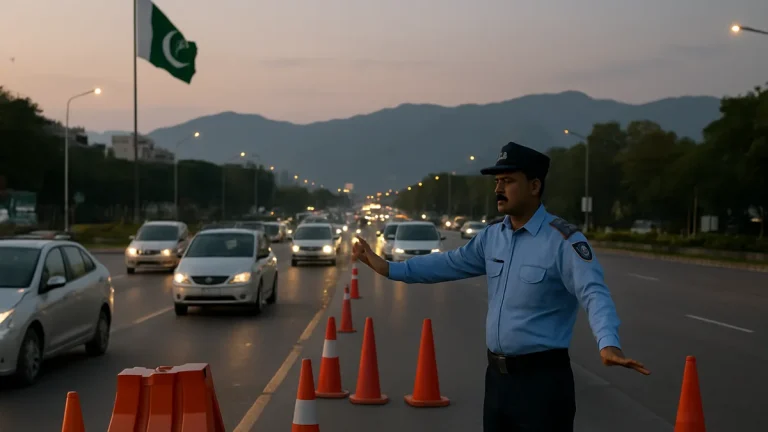
In an effort to maintain public safety and ease traffic congestion caused by the protests, authorities temporarily shut down key roads connecting Sultanabad to Mai Kolachi. Additionally, traffic that would normally flow from Jinnah Bridge was rerouted through I.I. Chundrigar Road. These strategic diversions were implemented to manage the heavy vehicular movement and to ensure that emergency services could operate without hindrance.
Officials have strongly advised residents and commuters to avoid the affected areas until the situation stabilizes. Security forces remain on high alert, working diligently to restore order and prevent any further escalation. The protests reflect the deep sensitivities surrounding regional geopolitics and the impact of international events on local communities in Karachi.
It is important to note that Karachi, as Pakistan’s largest city and economic hub, often becomes a focal point for demonstrations linked to global political developments. The current unrest underscores the volatile nature of public sentiment in response to foreign policy incidents, particularly those involving neighboring countries and key regional players. Authorities continue to monitor the situation closely, balancing the need for security with the right to peaceful protest.