In a recent statement from Washington, former US President Donald Trump expressed his admiration for Pakistan’s management of the growing military tensions with the Taliban regime in Afghanistan. Highlighting Islamabad’s approach as “terrifically well,” Trump made it clear that the United States would refrain from intervening in the ongoing conflict. His remarks came just before his departure to Texas, where he addressed questions from the press about potential US involvement.
When asked if anyone had sought his intervention in the dispute, Trump responded by emphasizing his cordial relationship with Pakistan, stating, “I get along with Pakistan very well, very well.” This personal rapport, he suggested, influenced his stance on the matter, reinforcing his preference to allow the regional players to resolve their issues independently. His comments reflect a broader US policy of limiting direct military engagement in the Afghanistan-Pakistan border conflict.
Trump also took the opportunity to commend Pakistan’s top leadership, singling out Prime Minister Shehbaz Sharif and Army Chief General Asim Munir for their roles in navigating the crisis. He described both as “great leaders” and expressed his respect for their efforts in maintaining stability. This praise underscores the significance of strong civil-military coordination in Pakistan’s strategy against militant threats emanating from across the border.
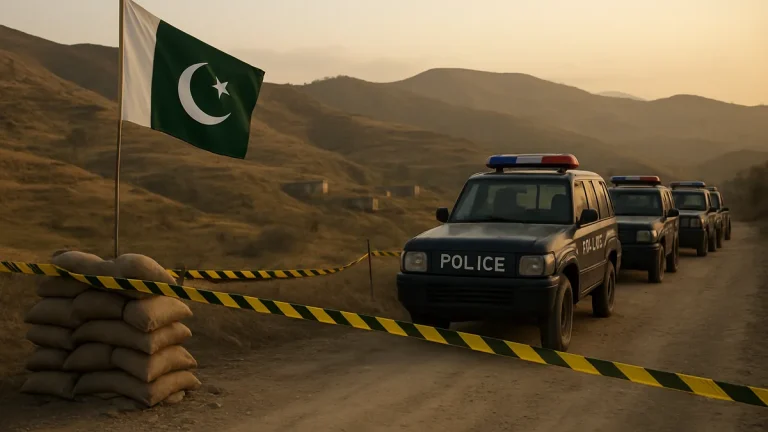
The backdrop to these statements is a significant escalation in hostilities along the Pakistan-Afghanistan border. Pakistani security forces have launched a major military campaign named Operation Ghazab-lil-Haq, aimed at dismantling Taliban militant networks and infrastructure within several Afghan provinces. This operation was initiated in response to what Islamabad describes as unprovoked attacks by Taliban forces, which have threatened Pakistan’s border security and regional peace.
Military officials from Pakistan have reported that the operation has dealt substantial blows to the Taliban fighters, disrupting their capabilities and sending a clear message about Pakistan’s resolve to defend its sovereignty. The operation has involved coordinated strikes and intelligence-driven actions targeting militant hideouts, underscoring Islamabad’s commitment to combating terrorism on its frontiers.
Meanwhile, the United States’ decision to stay out of the conflict signals a shift in its engagement strategy in South Asia, focusing instead on diplomatic support and encouraging regional solutions. Trump’s remarks highlight a preference for empowering local leadership to manage security challenges, which may influence future US policy considerations in the region.