



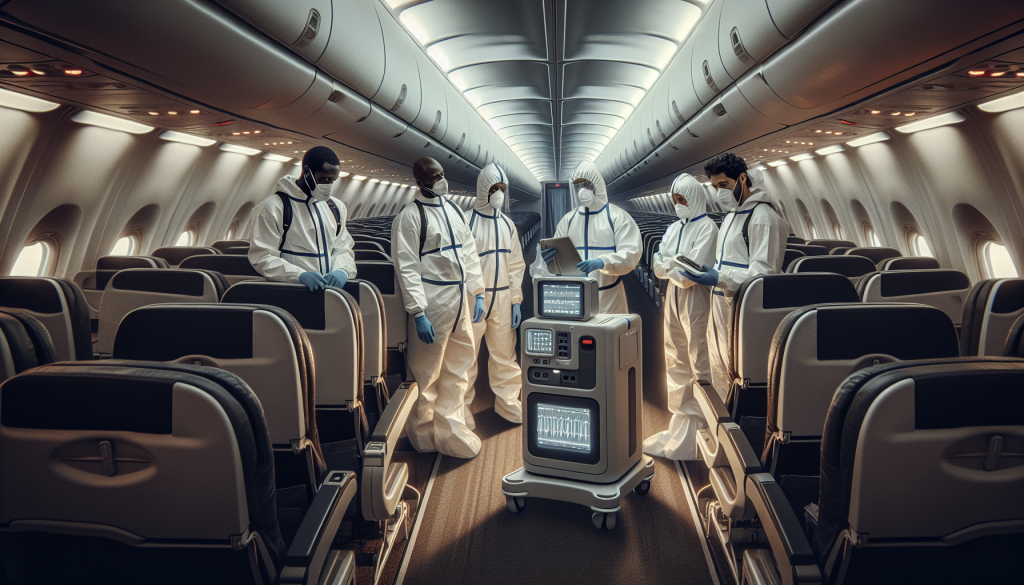
In a significant development, a US citizen among 17 Americans being repatriated has tested positive for hantavirus. The individual is currently experiencing mild symptoms, prompting health authorities to monitor the situation closely. Hantavirus is a rare but potentially serious disease transmitted primarily through rodent droppings, urine, or saliva. The detection of this virus on a repatriation flight raises concerns about the health screening and containment measures in place during such operations.
Hantavirus infections, though uncommon, can lead to severe respiratory issues and require timely medical intervention. The US health department’s prompt identification of the case underscores the importance of vigilant health surveillance, especially amid ongoing global health challenges. Meanwhile, the remaining passengers on the flight are being observed for any signs of illness to prevent further spread. This incident highlights the complexities involved in repatriating citizens during health crises and the need for robust protocols.
Notably, this case adds to the broader discourse on infectious disease management in international travel contexts. It emphasizes the necessity for coordinated efforts between health authorities and transportation agencies to safeguard public health. The mild condition of the affected individual offers some reassurance, but it also serves as a reminder of the unpredictable nature of zoonotic diseases. Continued monitoring and transparent communication will be critical as the situation develops.

Leave an opinion