

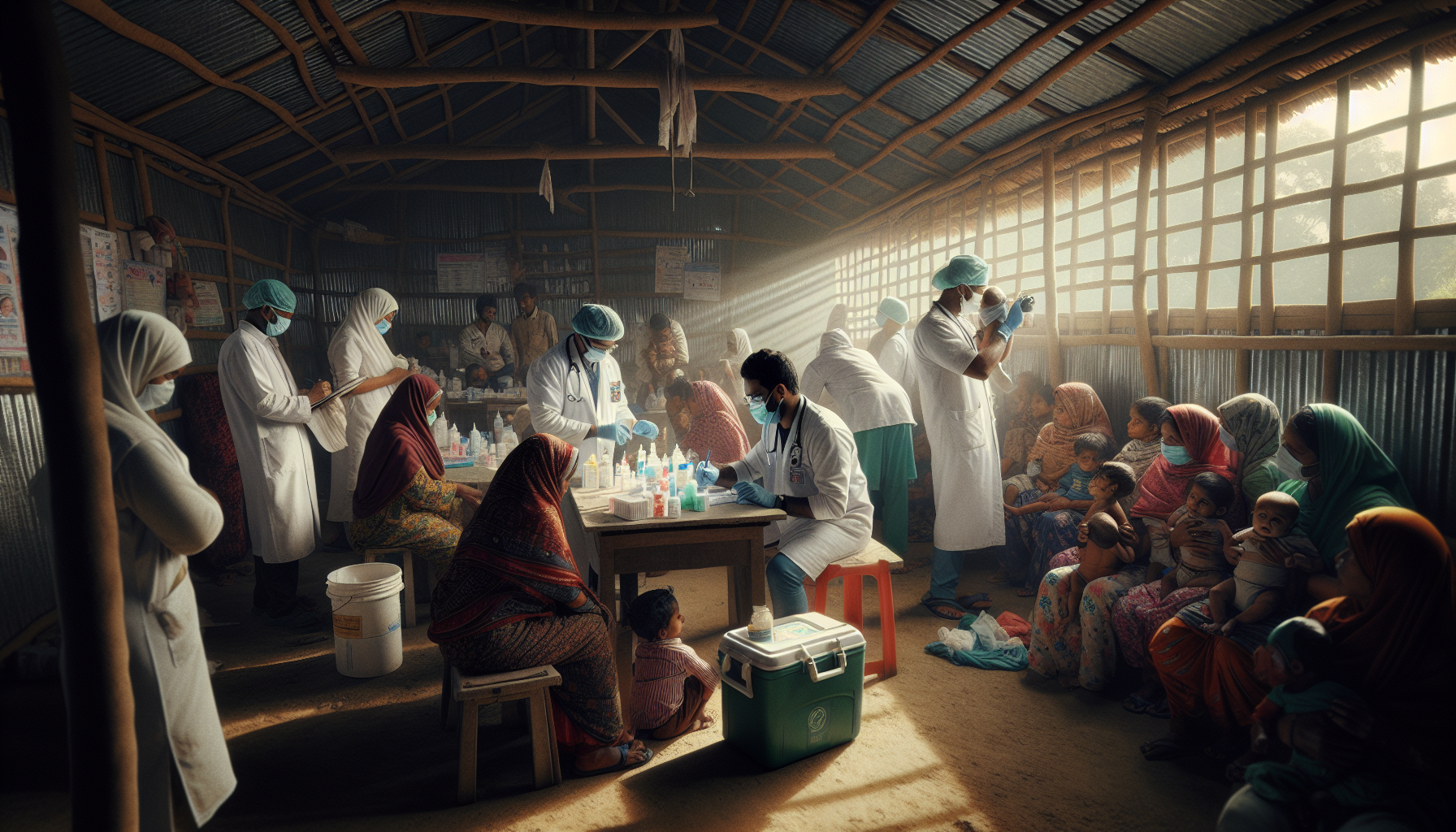
Bangladesh is currently facing a severe health crisis as a suspected measles outbreak has claimed the lives of nearly 100 children. The health ministry has recorded a sharp increase in cases, with 6,476 children between six months and five years exhibiting symptoms consistent with measles. This surge highlights the vulnerability of young children to infectious diseases in the region, particularly where vaccination coverage may be insufficient.
Measles is a highly contagious viral disease that can lead to serious complications, especially in young children, including pneumonia, encephalitis, and death. The outbreak underscores the critical need for robust immunization programs and public health interventions to prevent further loss of life. In recent years, global health organizations have emphasized measles vaccination as a key strategy to reduce child mortality, yet outbreaks continue to occur in areas with gaps in healthcare access.
In a significant development, this outbreak draws attention to the ongoing challenges faced by Bangladesh’s healthcare system in managing infectious diseases amid population density and resource constraints. The situation calls for urgent action to enhance vaccination drives, improve disease surveillance, and provide timely medical care to affected children. The impact of this outbreak extends beyond immediate fatalities, as it threatens the health and development of thousands of children in the country.
