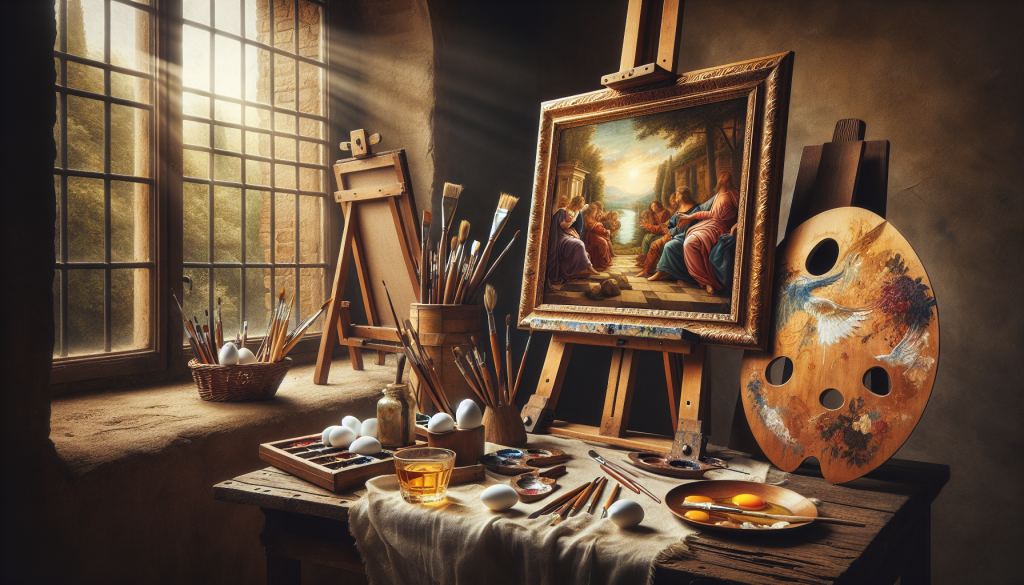
In a fascinating breakthrough, art historians and scientists have discovered that some of the most renowned painters of the Renaissance period, including Leonardo da Vinci, Sandro Botticelli, and Rembrandt, may have incorporated proteins—particularly from egg yolk—into their oil painting techniques. This revelation offers fresh insight into the materials and methods used by these Old Masters, shedding new light on how their timeless works were created.
The study, which involved advanced chemical analysis of paint samples from several iconic artworks, suggests that these artists did not rely solely on traditional oil-based pigments. Instead, they appear to have blended proteins from natural sources like egg yolk into their paints. This practice, known as tempera, was common in earlier periods but was thought to have been largely replaced by oil paints during the Renaissance. The discovery challenges this assumption and indicates a more complex layering of materials than previously understood.
It is worth noting that the presence of egg yolk proteins in these paintings could explain the remarkable durability and vibrancy of the colors that have survived for centuries. The proteins may have acted as natural binders, enhancing the adhesion and longevity of the pigments. This finding not only deepens our appreciation of the technical mastery of artists like da Vinci but also opens new avenues for conservation experts working to preserve these priceless cultural treasures.
Meanwhile, this research adds to the growing body of knowledge about the intersection of art and science. By employing modern analytical techniques such as mass spectrometry and infrared spectroscopy, scientists are now able to uncover hidden layers and components within artworks that were previously invisible to the naked eye. Such interdisciplinary studies are revolutionizing the way we understand historical art practices and the materials used by legendary painters.
In a related development, museums and restoration laboratories around the world are revisiting their approaches to preserving Renaissance paintings. With this new understanding of the complex mixtures of oils and proteins, conservators can tailor their methods to better protect these masterpieces from degradation. This could lead to improved restoration techniques that respect the original materials and artistic intent more faithfully than ever before.