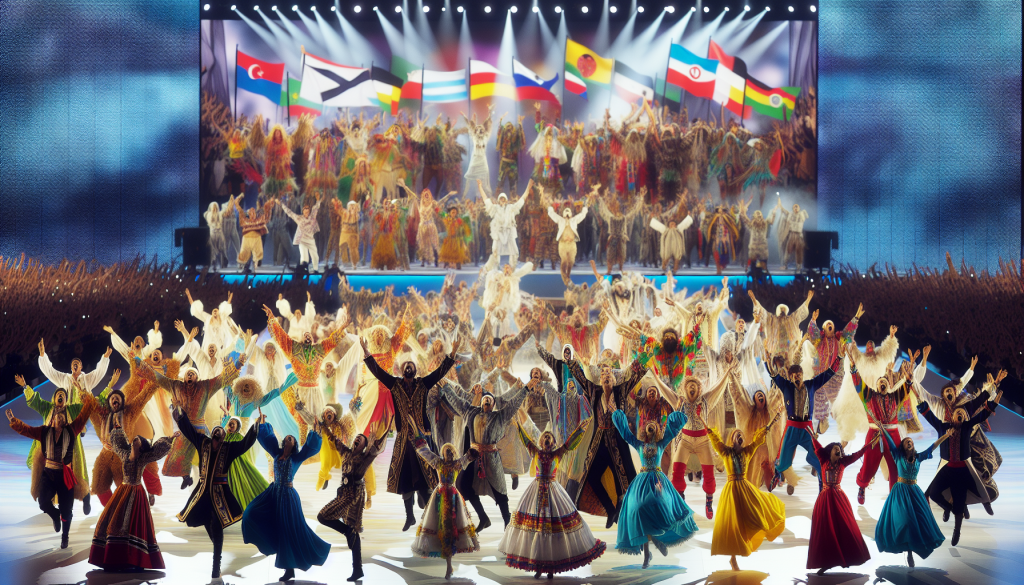
The Eurovision Song Contest has long been a platform showcasing a wide array of musical styles and cultural expressions. This year, the competition features 35 entries that span from pulsating dancefloor anthems to deeply emotional ballads, reflecting the diverse tastes of participating countries. Among these, some songs stand out for their provocative lyrics and themes, such as anti-work messages that challenge conventional societal norms. The inclusion of Boy George, a prominent figure in pop music history, adds a layer of star power and nostalgia to the event.
Notably, Eurovision has often been a stage for controversy and bold artistic statements, and this edition is no exception. Several entries have sparked debate due to their lyrical content, which some consider provocative or politically charged. This dynamic highlights Eurovision’s role not only as a musical contest but also as a cultural phenomenon that mirrors contemporary social issues. The mixture of upbeat tracks and heartfelt performances ensures a broad appeal, engaging audiences across Europe and beyond.
In a significant development, the diversity of musical genres and themes in this year’s Eurovision underscores the contest’s evolution over time. From its origins as a simple song competition, it has grown into a vibrant celebration of creativity and expression. The presence of well-known artists alongside emerging talents enriches the event’s profile, making it a key moment in the international music calendar. Ultimately, the 35 songs collectively contribute to Eurovision’s reputation as a unique and influential cultural event.