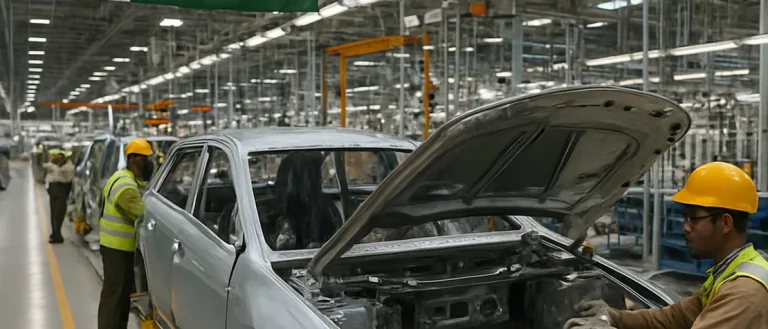



Negotiations between Pakistan and the International Monetary Fund regarding the country’s new automotive policy have yet to reach a conclusion. The discussions, aimed at aligning the policy with economic reforms and IMF conditions, remain inconclusive as both sides continue to deliberate key issues. The automotive sector is a significant contributor to Pakistan’s industrial growth and employment, making the outcome of these talks crucial for the economy.
In a significant development, the unresolved status of these talks highlights the complexities involved in balancing domestic industrial interests with the IMF’s fiscal and structural reform requirements. The new auto policy is expected to influence investment flows, production capacities, and tariff structures within the sector. Meanwhile, the government faces pressure to finalize a policy that supports growth while meeting international financial obligations.
Notably, the delay in reaching an agreement could impact investor confidence and the timeline for implementing reforms in the automotive industry. The sector’s performance is closely watched as it affects broader economic indicators such as manufacturing output and export potential. As talks continue, stakeholders await a resolution that can foster sustainable development and economic stability in Pakistan.