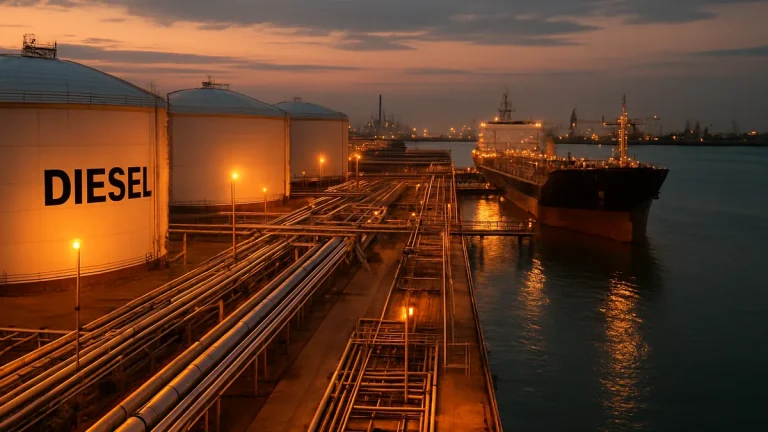
Since the onset of military actions by the United States and Israel against Iran, a significant number of countries have experienced a sharp increase in petrol prices. More than 145 nations have reported these price hikes, reflecting the widespread impact of geopolitical tensions on energy markets. The conflict has disrupted supply chains and heightened concerns over the stability of oil exports from the Middle East, a key region for global fuel production.
In a significant development, the escalation has triggered volatility in international oil markets, pushing prices upward and affecting consumers worldwide. This surge in petrol costs not only burdens individual motorists but also has broader economic implications, including increased transportation and production expenses. Countries heavily reliant on imported fuel are particularly vulnerable to these fluctuations, which could exacerbate inflationary pressures and slow economic recovery efforts.
Meanwhile, the ongoing conflict underscores the fragile nature of global energy security and the interconnectedness of geopolitical events and commodity markets. Policymakers and industry leaders are closely monitoring the situation, seeking ways to mitigate the impact on consumers and stabilize supply. The situation highlights the urgent need for diversified energy sources and strategic reserves to buffer against such international disruptions in the future.