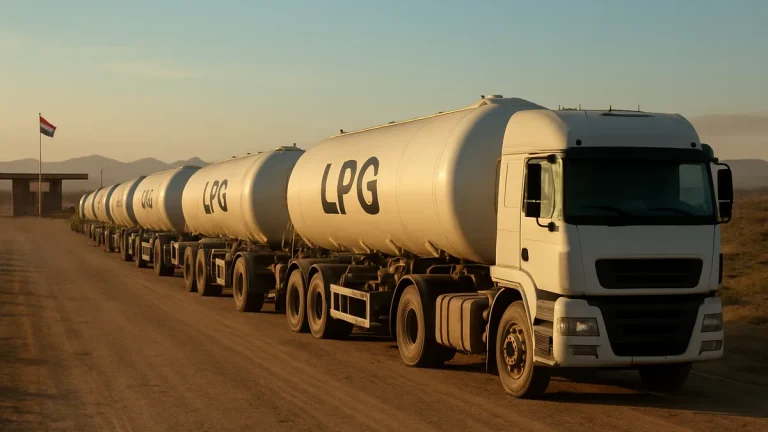
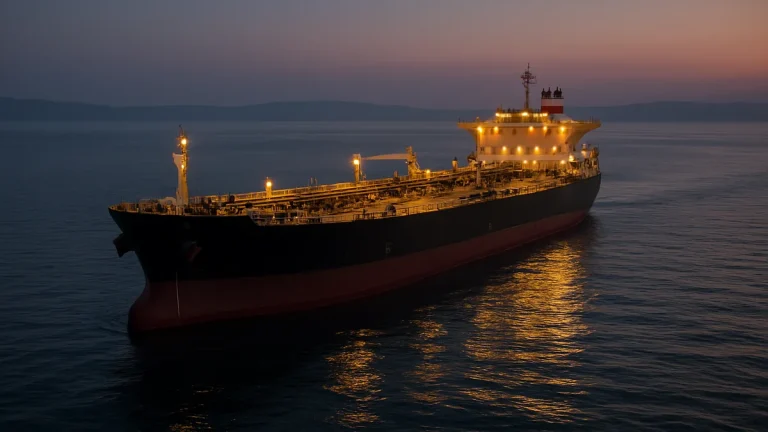
The government has announced an increase in petrol prices, with diesel costs also seeing a rise. This adjustment reflects ongoing changes in global oil markets and domestic fiscal policies. Fuel price hikes typically affect transportation expenses, which can lead to broader inflationary pressures on goods and services. Consumers and businesses alike are expected to feel the impact as operational costs climb.
In a significant development, the rise in fuel prices comes amid fluctuating international crude oil rates and currency valuation challenges. The energy sector plays a crucial role in the national economy, and such price adjustments are often necessary to balance subsidies and revenue needs. Meanwhile, public reaction tends to be mixed, with concerns about affordability and economic strain.
Notably, the increase in petrol and diesel prices may influence government policy discussions on energy sustainability and alternative fuel sources. It also underscores the importance of monitoring global energy trends and their domestic repercussions. As fuel costs rise, stakeholders across industries will need to adapt to the changing economic landscape.