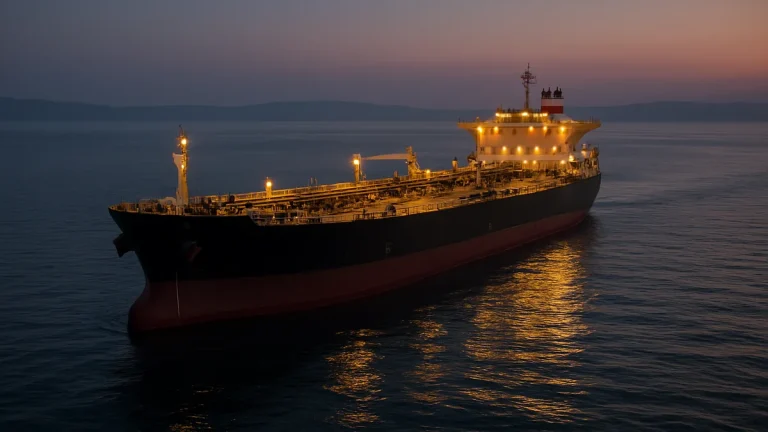
Oil prices have experienced an upward trend as fresh attacks in the Strait of Hormuz have cast doubt on the region’s stability. The Strait, a critical chokepoint for global oil shipments, has long been vulnerable to geopolitical tensions that directly impact energy supply chains. Recent violence has disrupted hopes for a swift return to normalcy, causing market participants to reassess risk factors associated with crude transportation through this narrow passage.
Brent crude, a global benchmark for oil pricing, has notably climbed in response to these developments. The escalation in hostilities not only threatens immediate supply routes but also raises concerns about longer-term energy security amid ongoing regional conflicts. Traders and analysts are closely monitoring the situation, as any prolonged disruption could lead to significant price volatility and increased costs for consumers worldwide.
In a significant development, the renewed instability in the Strait of Hormuz underscores the fragility of global energy markets dependent on this strategic waterway. The international community remains attentive to diplomatic and security efforts aimed at de-escalating tensions to ensure uninterrupted oil flow. Meanwhile, energy-importing nations may need to explore alternative supply strategies to mitigate the impact of such geopolitical risks on their economies.