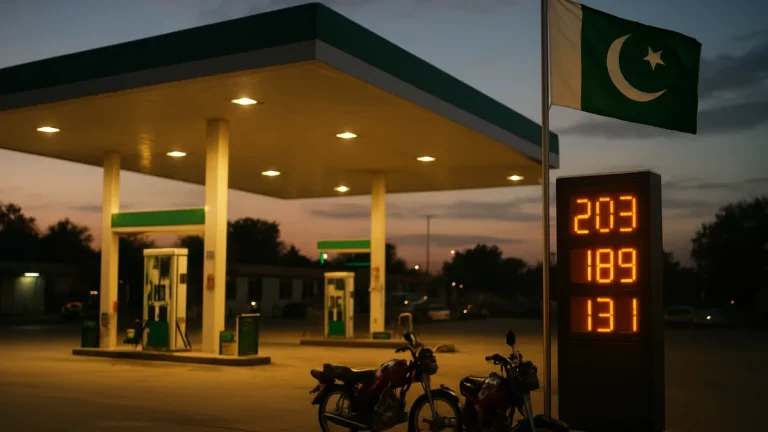
On May 16, 2026, the petrol price in Pakistan was officially updated, continuing the trend of fluctuating fuel costs influenced by global oil markets and domestic economic factors. Fuel prices are a critical component of the country’s inflationary pressures, affecting not only transportation but also the cost of goods and services across various sectors. The government’s pricing decisions are closely monitored by consumers and businesses alike, as they directly impact daily expenses and overall economic stability.
In a significant development, the petrol price adjustment comes amid ongoing efforts to balance fiscal policies and manage subsidies while responding to international crude oil price volatility. Pakistan’s reliance on imported oil makes it vulnerable to global market shifts, which in turn influences domestic fuel pricing strategies. These changes often trigger public discourse on energy policy and the need for sustainable alternatives to reduce dependency on fossil fuels.
Meanwhile, the updated petrol price affects multiple layers of the economy, from individual commuters to large-scale industries reliant on transportation and logistics. The government’s approach to fuel pricing remains a key factor in shaping economic growth and inflation trends. Stakeholders continue to advocate for transparent pricing mechanisms and long-term energy reforms to stabilize the market and support economic resilience.