



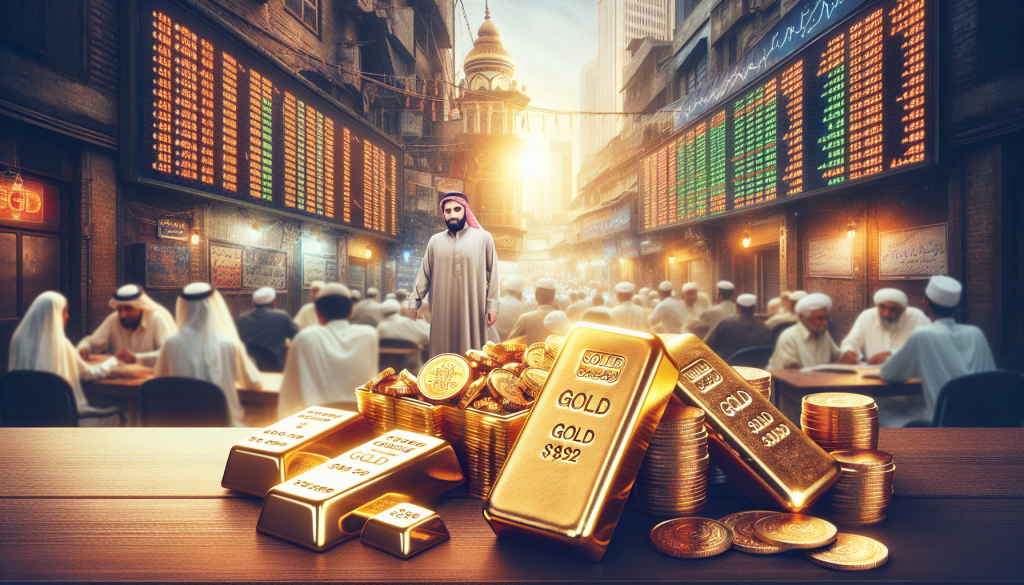
On May 8, 2026, gold prices in Pakistan witnessed a significant downturn, marking a shift in the precious metals market within the country. This decline comes amid broader economic fluctuations both domestically and internationally, influencing investor confidence and commodity valuations. Gold, traditionally seen as a safe-haven asset, often reacts sensitively to changes in currency strength, inflation rates, and geopolitical developments. The drop in prices may affect various sectors, including jewelers, investors, and consumers who rely on gold as a store of value.
Notably, Pakistan’s gold market is closely tied to global trends, including shifts in the US dollar and international demand for precious metals. Meanwhile, local factors such as import policies, taxation, and currency exchange rates also play crucial roles in determining price movements. The recent decrease could signal changing investor sentiment or adjustments in supply and demand dynamics within the country. Traders and market analysts will be monitoring these trends to anticipate future price trajectories.
In a significant development for Pakistan’s economy, the gold price drop may influence inflationary pressures and consumer spending patterns, given gold’s cultural and economic importance. Jewelers might adjust their pricing strategies, while investors could reconsider portfolio allocations amid this volatility. The event underscores the interconnectedness of global markets and local economic conditions, highlighting the need for stakeholders to stay informed about ongoing changes in commodity prices. Overall, this price movement reflects the complex interplay of factors shaping Pakistan’s precious metals market today.

Leave an opinion