



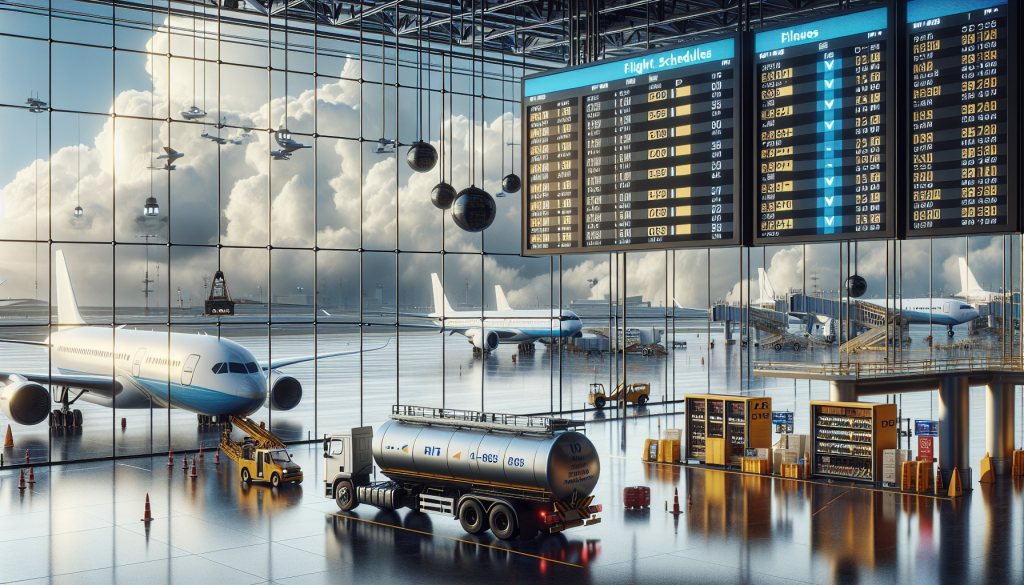
Airlines worldwide are responding to escalating jet fuel prices, driven by the ongoing conflict in Iran, by significantly reducing their flight capacities. This strategic cutback involves slashing millions of available seats, which is expected to affect the volume of travelers during the peak summer season. The surge in fuel costs has forced carriers to reassess their operational budgets, leading to fare hikes as they attempt to offset rising expenses. These adjustments highlight the vulnerability of the aviation sector to geopolitical tensions impacting energy markets.
In a significant development, the Iran war has disrupted global oil supplies, causing jet fuel prices to spike sharply. This increase directly translates into higher operational costs for airlines, which rely heavily on fuel as a primary expenditure. Consequently, many carriers have opted to reduce less profitable routes and decrease flight frequencies to maintain financial stability. The combined effect of fewer flights and increased ticket prices is likely to dampen demand, potentially altering travel patterns this summer.
Meanwhile, the broader implications of these changes extend beyond the airline industry, affecting tourism and related sectors dependent on air travel. Passengers may face limited options and higher costs, which could influence vacation plans and business travel alike. The situation underscores the interconnectedness of geopolitical conflicts and global economic activities, emphasizing the need for adaptive strategies within the transportation sector. As the conflict persists, the aviation industry must navigate these challenges while balancing customer expectations and operational viability.

Leave an opinion