



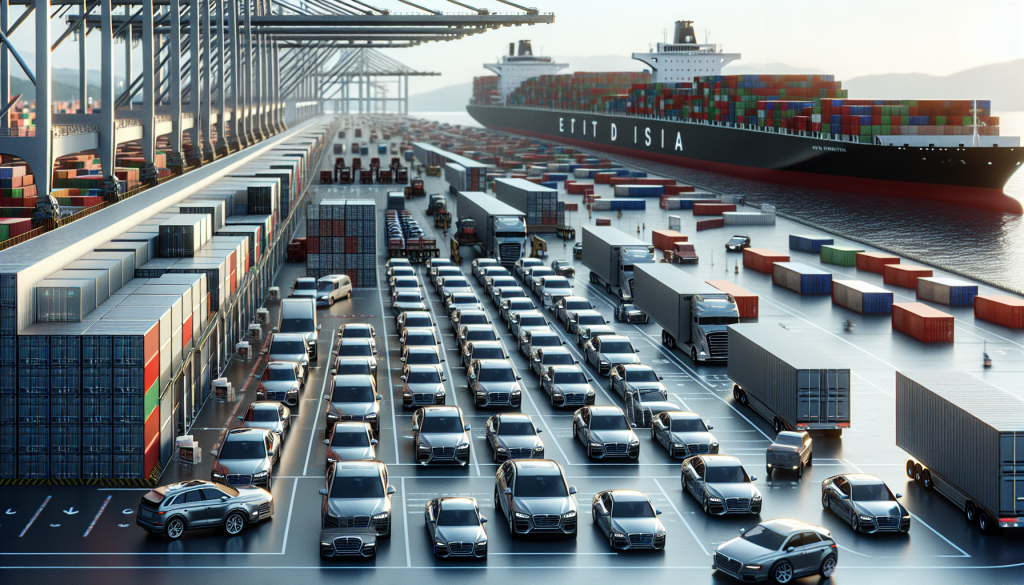
The United States has announced intentions to increase tariffs on automobiles and trucks imported from the European Union, raising the current rate from 15 percent to 25 percent. This move targets a key sector of the EU economy, which heavily relies on exports to the US market. The automotive industry in Europe, known for its global competitiveness and innovation, now faces significant uncertainty due to these proposed trade barriers.
In a significant development, this tariff hike reflects broader trade disputes between the US and the EU, highlighting ongoing disagreements over market access and trade fairness. The European car industry, which includes major manufacturers such as Volkswagen, BMW, and Mercedes-Benz, could experience reduced sales and increased costs, potentially leading to job losses and disrupted supply chains. Meanwhile, US consumers may face higher prices for European vehicles, affecting demand and market dynamics.
This escalation in trade tensions underscores the fragile state of international economic relations and the challenges of globalization. It also raises concerns about retaliatory measures from the EU, which could further strain transatlantic trade. The outcome of this dispute will have lasting implications for the global automotive market and the broader economic ties between the US and Europe.

Leave an opinion