



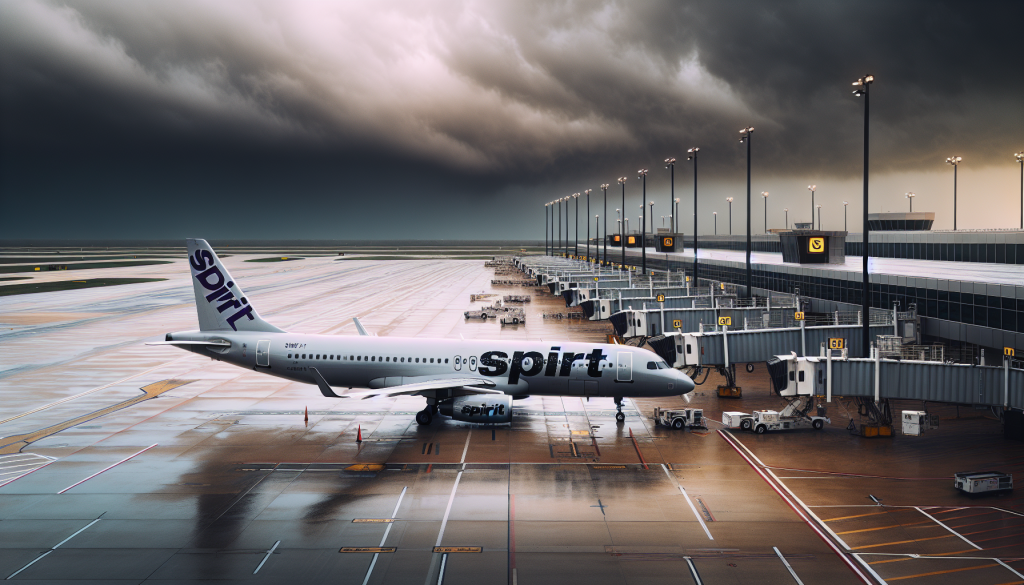
Spirit Airlines, a prominent US low-cost carrier, has abruptly ceased operations after negotiations for a government bailout collapsed. The airline faced mounting financial pressure due to escalating fuel expenses, which surged amid geopolitical tensions stemming from the ongoing war involving Iran. This shutdown marks a significant disruption in the budget airline sector, affecting thousands of passengers and employees nationwide.
Fuel costs are a critical component of airline operating expenses, and the conflict in Iran has exacerbated global oil price volatility. Spirit Airlines, known for its ultra-low fares, struggled to absorb these increased costs without external financial support. The failure to secure government assistance highlights the challenges faced by carriers operating on thin margins during periods of geopolitical instability and economic uncertainty.
In a broader context, Spirit’s collapse underscores the vulnerability of budget airlines to external shocks such as fuel price spikes and international conflicts. The airline’s closure may prompt industry-wide reassessments of risk management and operational strategies. Meanwhile, travelers and employees are left grappling with the immediate consequences, as the aviation sector continues to navigate a complex post-pandemic recovery landscape.

Leave an opinion