



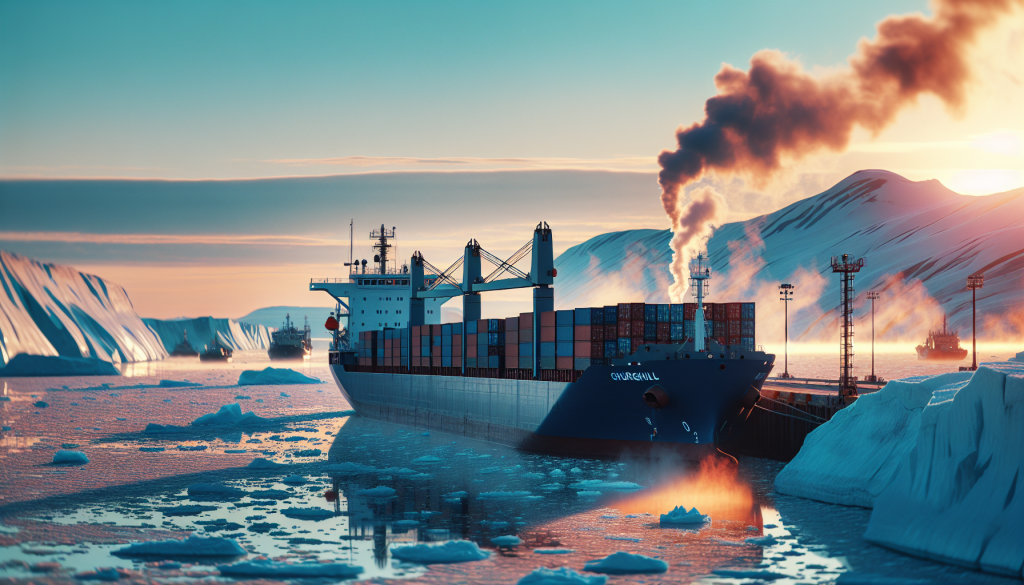
Canada is evaluating the feasibility of establishing a year-round northern trade corridor connecting Churchill, Manitoba, to European markets. This initiative is driven by the accelerating effects of climate change, which are causing rapid warming in the Arctic region and opening new maritime pathways previously inaccessible for much of the year. Churchill, often dubbed the ‘Polar Bear Capital,’ is strategically positioned as a potential gateway for Arctic shipping routes. The prospect of a permanent trade route could transform the economic landscape of northern Canada by enhancing connectivity and trade opportunities.
In a significant development, the warming Arctic is reshaping global shipping logistics by reducing ice coverage and extending the navigable season along northern passages. Churchill’s port, historically limited by seasonal ice, could become a critical hub for transatlantic commerce, offering a shorter route between North America and Europe compared to traditional southern pathways. This shift could reduce shipping times and fuel consumption, benefiting global trade efficiency and environmental sustainability. Moreover, the project aligns with broader efforts to develop Arctic infrastructure and capitalize on emerging economic prospects in the region.
Meanwhile, the potential establishment of a year-round trade route raises important considerations regarding environmental protection, indigenous communities, and geopolitical dynamics in the Arctic. Canada’s decision will weigh the economic benefits against the ecological sensitivity of the region, ensuring that development proceeds responsibly. The initiative also highlights the growing significance of the Arctic in international trade and climate policy discussions. As global temperatures continue to rise, Churchill’s role as an Arctic gateway could become increasingly pivotal in shaping northern trade and environmental stewardship.

Leave an opinion