



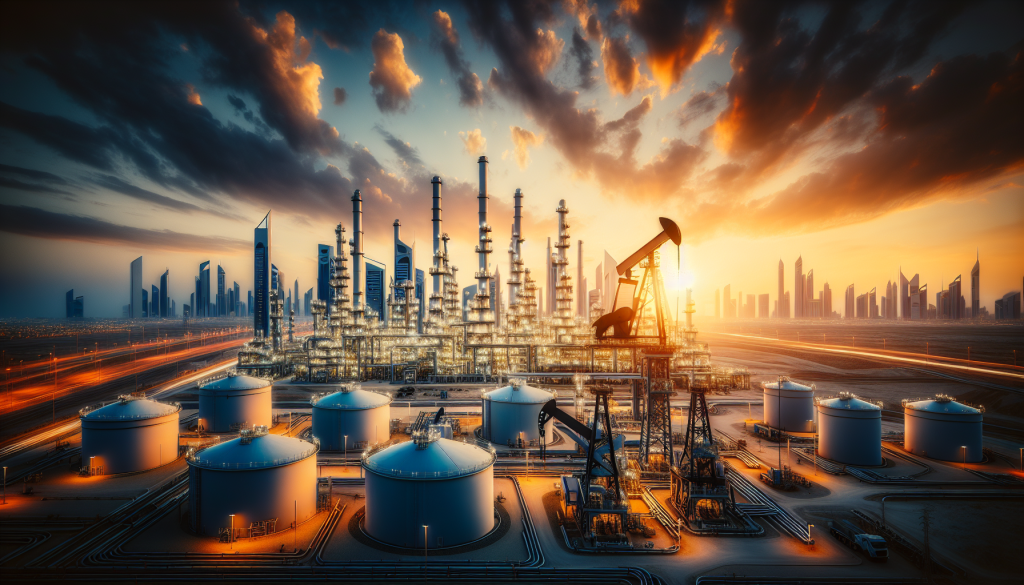
The United Arab Emirates has announced its decision to leave the Organization of the Petroleum Exporting Countries (OPEC), a move that comes at a critical juncture amid the worst global energy crisis in recent history. This decision reflects the UAE’s desire to pursue a more independent energy policy and to capitalize on its growing oil production capabilities outside the constraints of OPEC’s production quotas. The departure signals a significant change in the dynamics of the global oil market, which has been grappling with supply shortages and soaring prices.
OPEC, established in 1960, has long been a dominant force in regulating oil production to stabilize global oil prices. The UAE’s exit challenges the cohesion of the cartel, potentially encouraging other members to reconsider their commitments or strategies. Meanwhile, the UAE aims to enhance its influence in the energy sector by leveraging its advanced infrastructure and investment in renewable energy, positioning itself as a key player in the evolving global energy landscape.
In a significant development, the UAE’s withdrawal could lead to increased volatility in oil prices as market participants adjust to the new supply dynamics. This move also underscores the shifting geopolitical alliances within the Middle East and the broader energy sector. The impact will be closely monitored by global economies heavily reliant on oil imports, as well as by energy companies navigating the transition towards sustainable energy sources.

Leave an opinion