



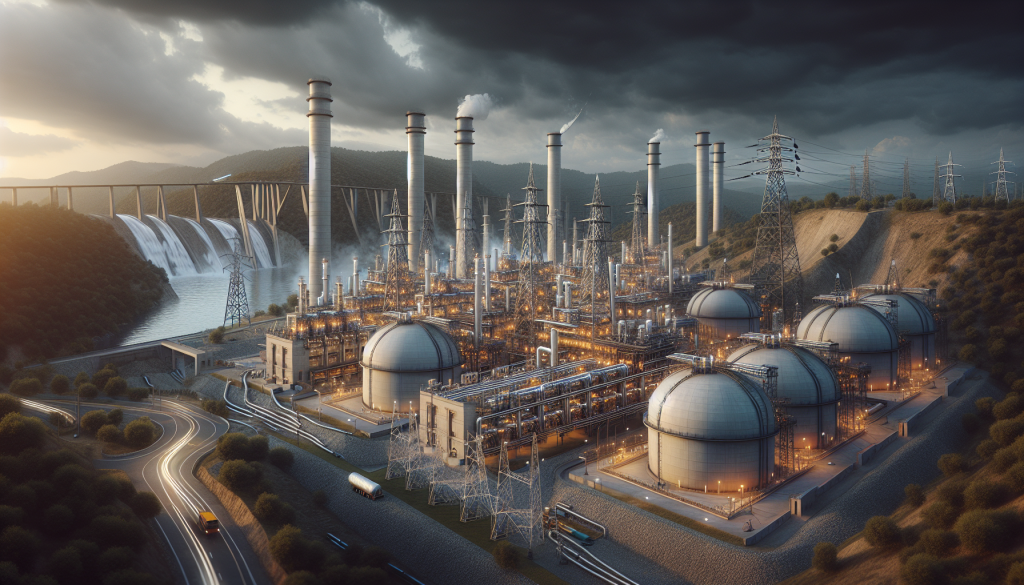
The Power Division announced on Tuesday that approximately 5,000 megawatts of electricity generation remained offline due to a shortage of liquefied natural gas (LNG), underscoring persistent challenges in meeting the country’s peak power demand.
A spokesperson highlighted that this deficit was particularly noticeable during the peak evening hours on April 27, when LNG-based power plants were unable to operate at full capacity. Meanwhile, increased water releases from the Tarbela Dam boosted hydropower output overnight, partially alleviating supply constraints.
Hydropower generation reached around 6,000 megawatts during peak periods, compared to the nation’s total installed hydropower capacity of 11,500 megawatts. Additionally, electricity production saw a modest improvement due to gas supplies to certain power plants, and about 500 megawatts were transmitted from the southern region, contributing to system stabilization.
The spokesperson noted that distribution companies implemented load management measures ranging from one to two hours during peak times. This strategy, combined with increased hydropower output, helped ensure that power outages generally did not exceed two hours in most areas.
It was clarified that load management was conducted under an “economic management policy” targeting high-loss feeders, and this approach was distinct from peak-hour load shedding. The LNG shortage has directly caused around 5,000 megawatts of generation capacity to remain offline.
In a significant development, the spokesperson suggested that improved LNG supplies alongside higher water releases from reservoirs could eliminate the nighttime power shortfall. Pakistan has historically faced energy supply challenges, especially during the summer months when demand surges and fuel supply issues strain the power generation infrastructure.

Leave an opinion