



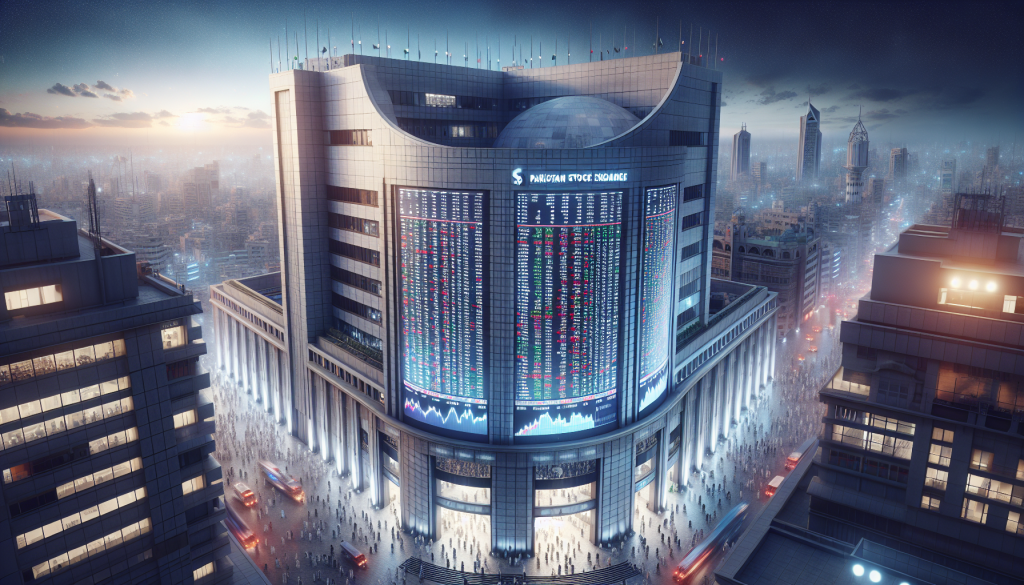
Pakistan’s stock market extended its upward momentum on Wednesday, with the benchmark KSE-100 index surpassing the 170,000-point mark for the first time. This surge was fueled by robust investor confidence alongside a more favorable macroeconomic and geopolitical environment.
The KSE-100 index opened with a sharp gain of 4,698 points, reaching 170,333 points, and climbed further to an intraday peak of 170,553 points. This represented an increase of approximately 2.9 percent or 4,918 points. The rally marked the second consecutive day of significant gains following a strong rebound in the previous trading session.
Market analysts attributed the bullish trend to reduced worries over external pressures and a positive shift in global risk sentiment. Notably, expectations of diplomatic talks between the United States and Iran contributed to easing concerns about potential disruptions in oil supply routes, which in turn led to a decline in crude oil prices.
Global stock markets also experienced modest gains, while oil prices softened amid hopes for progress in US-Iran negotiations. In a significant development, Pakistan received fresh financial backing from Saudi Arabia, which announced an additional $3 billion deposit and extended a $5 billion financial facility, as confirmed by Finance Minister Muhammad Aurangzeb.
Experts noted that these inflows are likely to provide short-term relief to Pakistan’s external account and help stabilize foreign exchange reserves, which are currently strained due to impending external debt repayments. A representative from the Saudi Ministry of Finance affirmed that the deposit underscores ongoing support for Pakistan’s external financing requirements.
The PSX rally also followed a strong performance in the previous session, where the index gained around 5,000 points amid renewed optimism about easing geopolitical tensions. Analysts suggest that continued foreign investment inflows and improved sentiment regarding global commodity prices could sustain the upward trend in equities. However, they caution that market volatility remains a risk, closely tied to external geopolitical developments.

Leave an opinion