



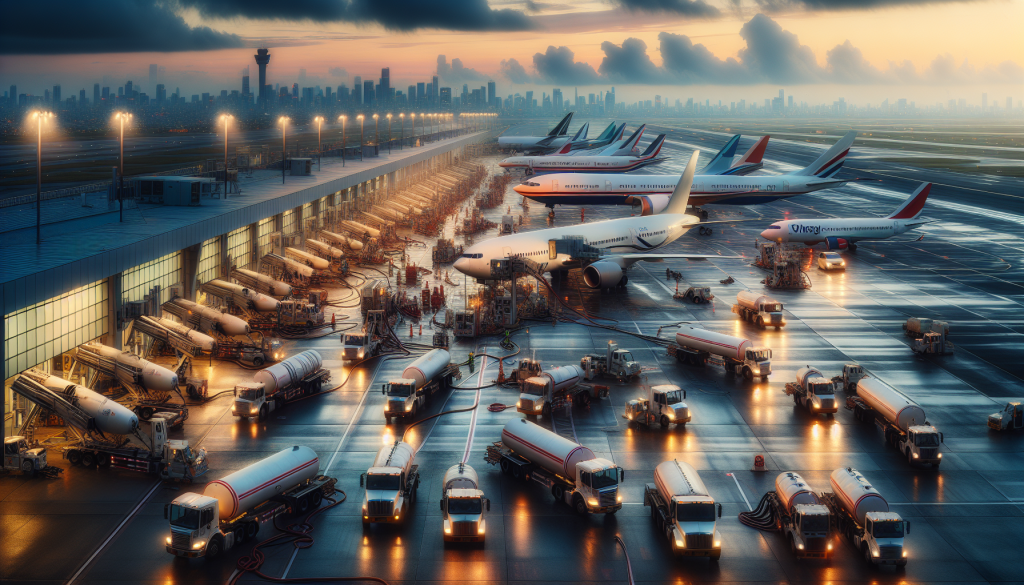
The ongoing conflict involving Iran has intensified one of the most severe crises in air travel in recent years. On Tuesday, Qantas Airways highlighted escalating expenses, Lufthansa warned of potential aircraft groundings, and Virgin Atlantic signaled an impending fuel supply shortage as the war disrupts jet fuel availability.
Disruptions to traditional flight paths between Asia and Europe, which typically rely on Gulf hubs, have compounded the problem. Jet fuel prices have doubled, and supply shortages are severely impacting airlines worldwide. Since the U.S.-Israeli strikes on Iran commenced on February 28, carriers have responded by increasing ticket prices, imposing fuel surcharges, and reducing flight routes.
In a notable move to conserve cash amid volatile fuel costs, Qantas postponed a planned share buyback, becoming one of the first major airlines to delay shareholder returns due to these pressures. Meanwhile, Lufthansa CEO Carsten Spohr cautioned that jet fuel shortages will persist throughout the year, driving costs higher. Speaking to a German publication, Spohr noted that while Lufthansa has not yet grounded planes, doing so may become unavoidable as kerosene supplies are already critically low at certain airports, especially in Asia.
In South Korea, budget airline T’way Air is preparing to furlough some cabin crew without pay during May and June, marking one of the earliest staffing reductions in the sector. Although a recent two-week ceasefire has offered limited respite, the Strait of Hormuz remains closed, cutting off about 20% of global oil and liquefied natural gas supplies. Additionally, damaged refineries require time to resume full operations.
UBS analyst Jarrod Castle emphasized ongoing concerns about jet kerosene availability and price hikes, noting that December futures prices remain over 50% higher year-on-year. Fuel costs, which typically represent the second-largest expense for airlines after labor, now account for roughly 27% of operating costs. The surge in jet fuel prices has far outpaced the approximately 50% increase in crude oil prices seen before the ceasefire.
This turmoil is expected to accelerate industry consolidation, with stronger airlines potentially absorbing weaker competitors. Notably, United Airlines CEO Scott Kirby reportedly proposed a merger with American Airlines shortly before the U.S.-Israeli strikes began.
Flight capacity, particularly from the Middle East and into Europe, has contracted significantly and is unlikely to return to pre-conflict levels in the near future. Virgin Atlantic CEO Corneel Koster revealed the airline has secured jet fuel supplies for about six weeks, after which the situation could worsen. European carriers have called on Brussels to implement emergency measures, including EU-wide kerosene procurement, a temporary halt to the aviation carbon market, and the removal of certain aviation taxes to mitigate the crisis.
Airports Council International Europe recently warned that Europe could face a systemic jet fuel shortage within three weeks. Several airlines, including SAS, remain unhedged against fuel price spikes, leaving them vulnerable. Delta Air Lines disclosed that its jet fuel expenses for the current quarter will be approximately $2 billion higher than the previous year.
Although Qantas has hedged much of its crude oil exposure, it remains significantly affected by the widening jet fuel price gap. To manage rising costs, the airline is increasing fares, focusing on more profitable routes such as Europe where demand remains strong, and reducing domestic capacity by about 5 percentage points in the June quarter.
Lufthansa is also benefiting from record revenues on Asian routes, which help offset soaring kerosene expenses. Nevertheless, the airline has prepared contingency plans that include reducing capacity by 2.5% to 5% and grounding 20 to 40 older, less fuel-efficient aircraft slated for early retirement.

Leave an opinion