



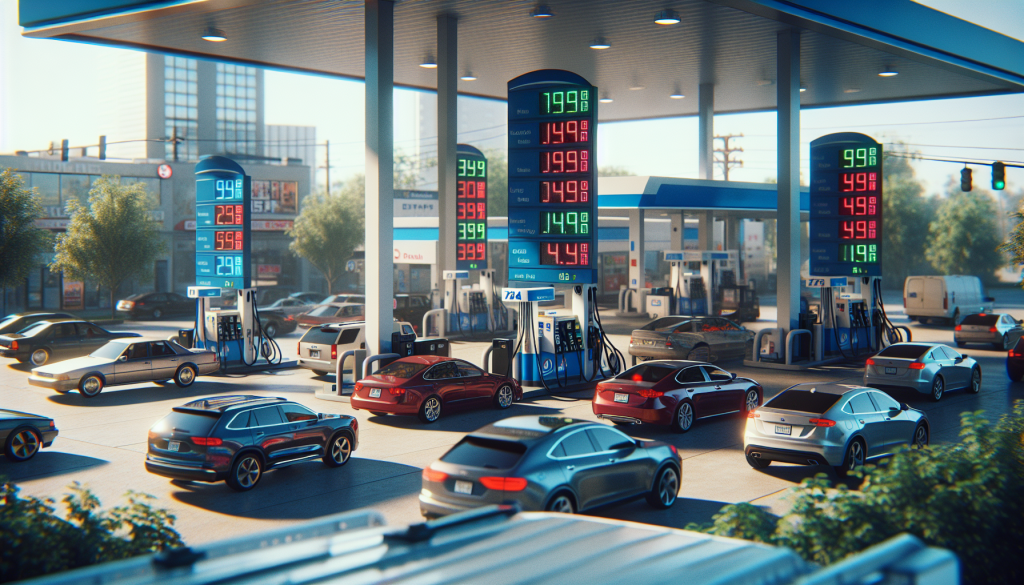
Residents across the United States are adjusting their driving habits as the ongoing conflict in Iran pushes fuel prices to unprecedented levels. In Boston, Pat Ouedraogo has curtailed longer trips, while Skyler Burke, an aspiring law student, travels farther to find cheaper gasoline. Meanwhile, in Houston, auto broker David Wright has transitioned from a gas-guzzling race car to an electric vehicle to cope with rising costs.
Energy experts have labeled the six-week conflict as the most severe disruption to oil supplies in recent history, with major production sites damaged and a crucial shipping route effectively blocked. At a Shell station, Ouedraogo expressed frustration over paying $4.99 per gallon for gasoline in his Nissan SUV. Nationally, average gasoline prices reached $4.16 per gallon on Friday, while diesel surged to $5.67, marking the highest prices consumers have faced ahead of the summer travel season since Russia’s invasion of Ukraine in February 2022, data from GasBuddy.
This price surge has resulted in an estimated $10.4 billion increase in U.S. spending on gasoline and diesel between March 1 and April 10 compared to the previous year, as noted by GasBuddy’s Patrick De Haan. For Houston trucker Eddie Esquivel, diesel costs have nearly doubled his weekly expenses from $800-$900 to $1,600-$1,700. Esquivel highlighted the financial strain, noting that besides fuel, he must manage truck payments, tire replacements, oil changes, and family responsibilities.
Globally, consumers are feeling the impact of fuel price hikes as Iran’s blockade of the Strait of Hormuz restricts Middle Eastern oil supplies to Asian and European markets. As the world’s largest fuel consumer, the United States experiences unique political ramifications from these price increases. The economic hardship caused by Russia’s war in Ukraine played a significant role in Donald Trump’s election as president in November 2024. However, with midterm elections approaching in November, Trump’s approval ratings have plummeted amid rising consumer prices, especially fuel costs.
At a Denver gas station, Kari DyLong expressed her disapproval of the Republican party and current administration due to soaring energy prices. Adding to the complexity, U.S. officials acknowledge that elevated gasoline prices are likely to persist even after the eventual end of military involvement in Iran. Delegations from both countries are scheduled to meet in Pakistan to negotiate a permanent ceasefire following a tentative two-week truce announced earlier this week.
Analysts caution that even if a ceasefire is achieved, fuel prices will not quickly return to pre-conflict levels. Wei Ren Gan of consultancy Rystad anticipates a gradual easing of prices but expects them to remain above previous benchmarks due to ongoing geopolitical risks. Macquarie analysts estimate that about 2 million barrels per day of Middle Eastern refining capacity have been lost due to war-related damage.
Signs of reduced fuel demand are emerging in U.S. government data. Gasoline consumption in the week before Easter dropped to 8.6 million barrels per day, a 9% decline from the previous year. Financial indicators also reflect consumer hardship, with pawn loan transactions increasing by 9% as gas prices climbed above $4 per gallon, Tim Jugmans, CFO of pawn loan provider EZCORP.
For Denver resident DyLong, the impact of high fuel costs means cutting back on weekend outings and focusing more on activities at home. She faces a 40-minute commute to her job as a sales manager for craft brewer Oskar Blues and has had to allocate a larger portion of her paycheck to cover fuel expenses.

Leave an opinion