



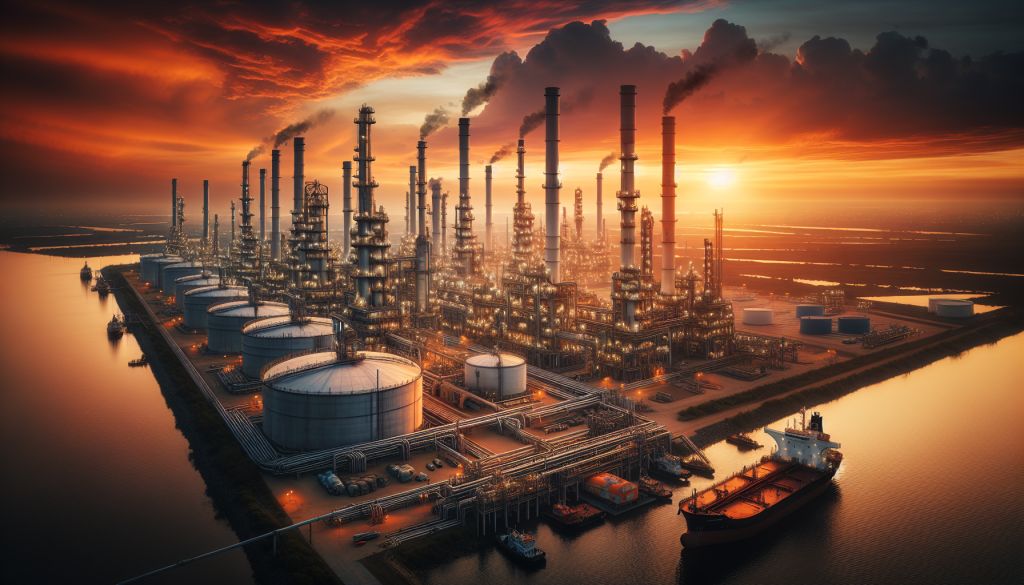
African nations are urgently seeking alternative sources of oil and gas as the ongoing conflict involving Iran severely disrupts energy supplies from the Middle East. Many countries on the continent rely heavily on imports from this region, making them vulnerable to sudden supply shocks. The instability has prompted governments and energy companies to explore new partnerships and diversify their energy procurement strategies to avoid shortages. This scramble highlights the continent’s growing energy demands amid global geopolitical tensions.
In a significant development, the Iran war has intensified concerns over the security of critical oil shipping routes, such as the Strait of Hormuz, through which a large portion of global oil trade passes. African economies, many of which are still developing, face the risk of rising fuel prices and inflation if alternative supplies are not secured promptly. Meanwhile, some African countries are accelerating investments in domestic energy production and renewable resources to reduce dependency on volatile foreign markets. The situation underscores the broader challenge of energy security in a geopolitically unstable world.
Notably, the disruption caused by the Iran conflict could reshape Africa’s energy landscape by encouraging regional cooperation and new trade agreements with non-Middle Eastern suppliers. The urgency to stabilize energy supplies may also drive innovation in energy infrastructure and policy reforms across the continent. As the crisis unfolds, the ability of African nations to adapt will be crucial for sustaining economic growth and social stability. This energy shock serves as a stark reminder of the interconnectedness of global markets and the ripple effects of regional conflicts on distant regions.

Leave an opinion