

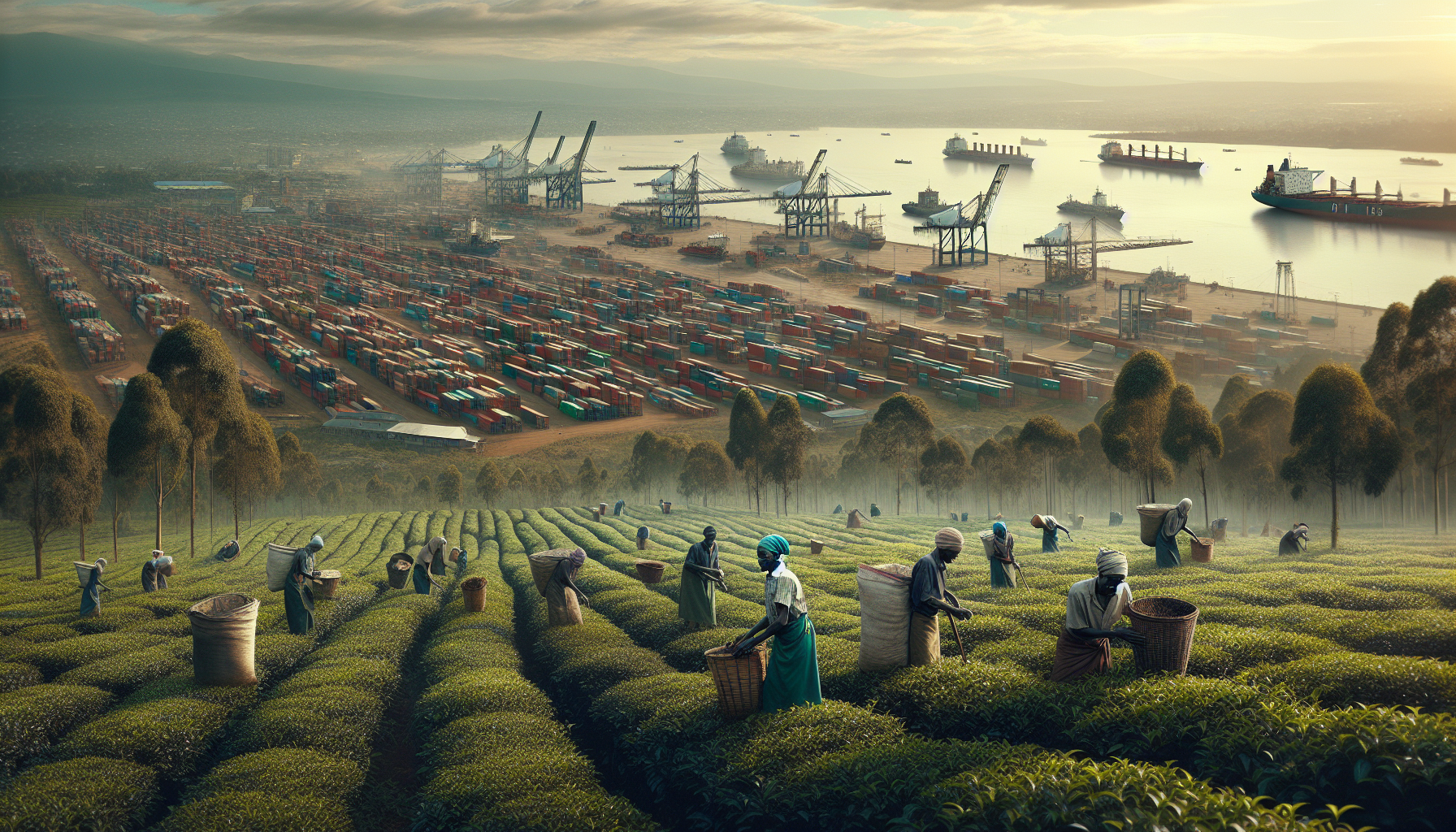
Kenya’s tea sector is currently grappling with a severe crisis triggered by disruptions in export logistics linked to the ongoing US-Israeli conflict with Iran. The conflict has severely affected key shipping lanes and trade routes that connect Kenyan tea producers to major markets in the Middle East. This disruption has led to delays and increased costs, putting immense pressure on farmers who rely heavily on these exports for income. The tea industry is a critical component of Kenya’s economy, contributing significantly to foreign exchange earnings and employment.
Notably, the Middle East represents a substantial market for Kenyan tea, making the stability of these trade routes vital for sustained economic growth. The conflict’s impact extends beyond immediate trade interruptions, potentially affecting long-term contracts and investor confidence in Kenya’s agricultural exports. Farmers and exporters are now seeking alternative routes and markets to mitigate losses, but these options come with logistical challenges and higher expenses. The situation underscores the vulnerability of global supply chains to geopolitical tensions and their ripple effects on local economies.
In a significant development, stakeholders in Kenya’s tea industry are calling for urgent diplomatic and logistical interventions to restore the flow of exports. The government and industry bodies are exploring strategies to diversify export destinations and improve resilience against such geopolitical shocks. Meanwhile, the crisis highlights the interconnectedness of global conflicts and their far-reaching consequences on agricultural communities. The resolution of this issue is crucial not only for the livelihoods of Kenyan tea farmers but also for maintaining Kenya’s position as a leading tea exporter worldwide.
