

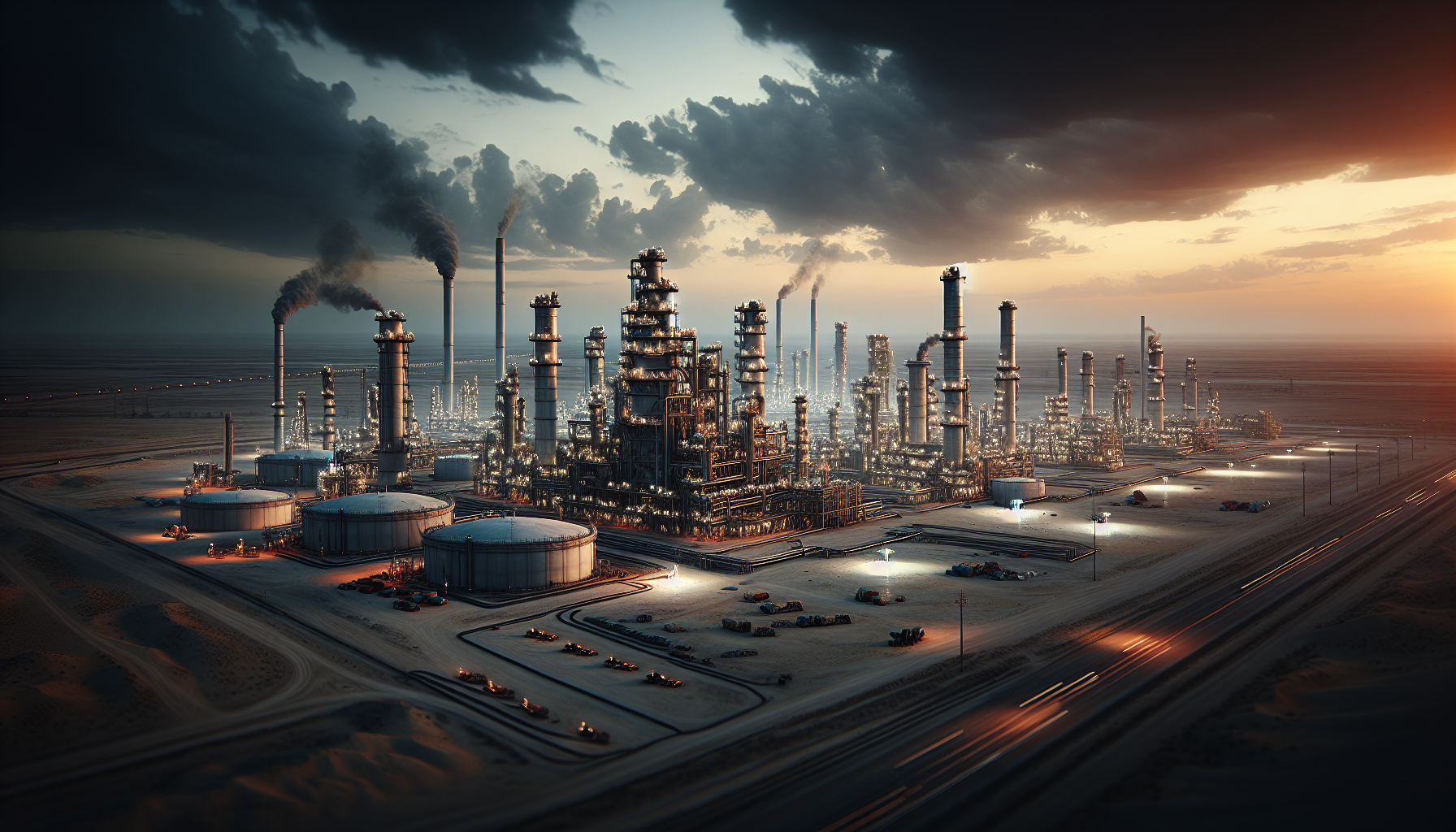
France’s Finance Minister Roland Lescure has issued a stark warning about a severe global energy crisis following Iran’s retaliatory attacks, which have damaged or destroyed between 30 and 40 percent of refining capacity in the Gulf region. This disruption has effectively removed an estimated 11 million barrels per day from the global oil market.
Speaking on Wednesday, Lescure described the incident as one of the largest disruptions in history, estimating that full repairs could take up to three years. He noted that several months will be required just to restart the facilities that were shut down as a precautionary measure.
The strikes, escalating tensions after US-Israeli actions against Iran, targeted infrastructure across the Gulf, including refineries in Saudi Arabia, Kuwait, and other neighboring states. This significant shortfall has sent shockwaves through energy markets, causing oil and gas prices to surge and raising concerns about prolonged economic difficulties worldwide.
In response to the supply crisis, Italian Prime Minister Giorgia Meloni traveled to Algeria on Wednesday to hold emergency talks aimed at securing increased natural gas deliveries to compensate for lost supplies from Qatar. Italy, heavily dependent on natural gas for electricity generation, is collaborating with its energy company ENI and Algerian partner Sonatrach on projects such as shale gas and offshore exploration to boost output. Similar initiatives are underway across Europe as countries seek to mitigate the impact of disrupted Middle Eastern energy supplies.
Meanwhile, the United Kingdom and Germany have indicated that this crisis accelerates their transition away from fossil fuels toward renewable and low-carbon energy sources. Officials in both countries described the situation as a “wake-up call” highlighting the risks associated with reliance on unstable imported energy.
European Central Bank President Christine Lagarde sought to calm markets by affirming that the ECB has multiple strategies to manage the inflationary shock caused by the energy disruption and will not be hindered by indecision. Policymakers are closely watching the situation, aware that businesses may pass on increased costs to consumers more rapidly than in previous crises.
These developments come amid warnings from analysts that the conflict could fundamentally reshape global energy policies for years to come. There are growing calls for accelerated investment in grid modernization, renewable energy, and diversification of supply sources across Europe.
Economists caution that while some damaged facilities might resume operations relatively soon, the extended timeline for full restoration means elevated energy prices and inflationary pressures could persist, placing strain on both households and industries worldwide.
