

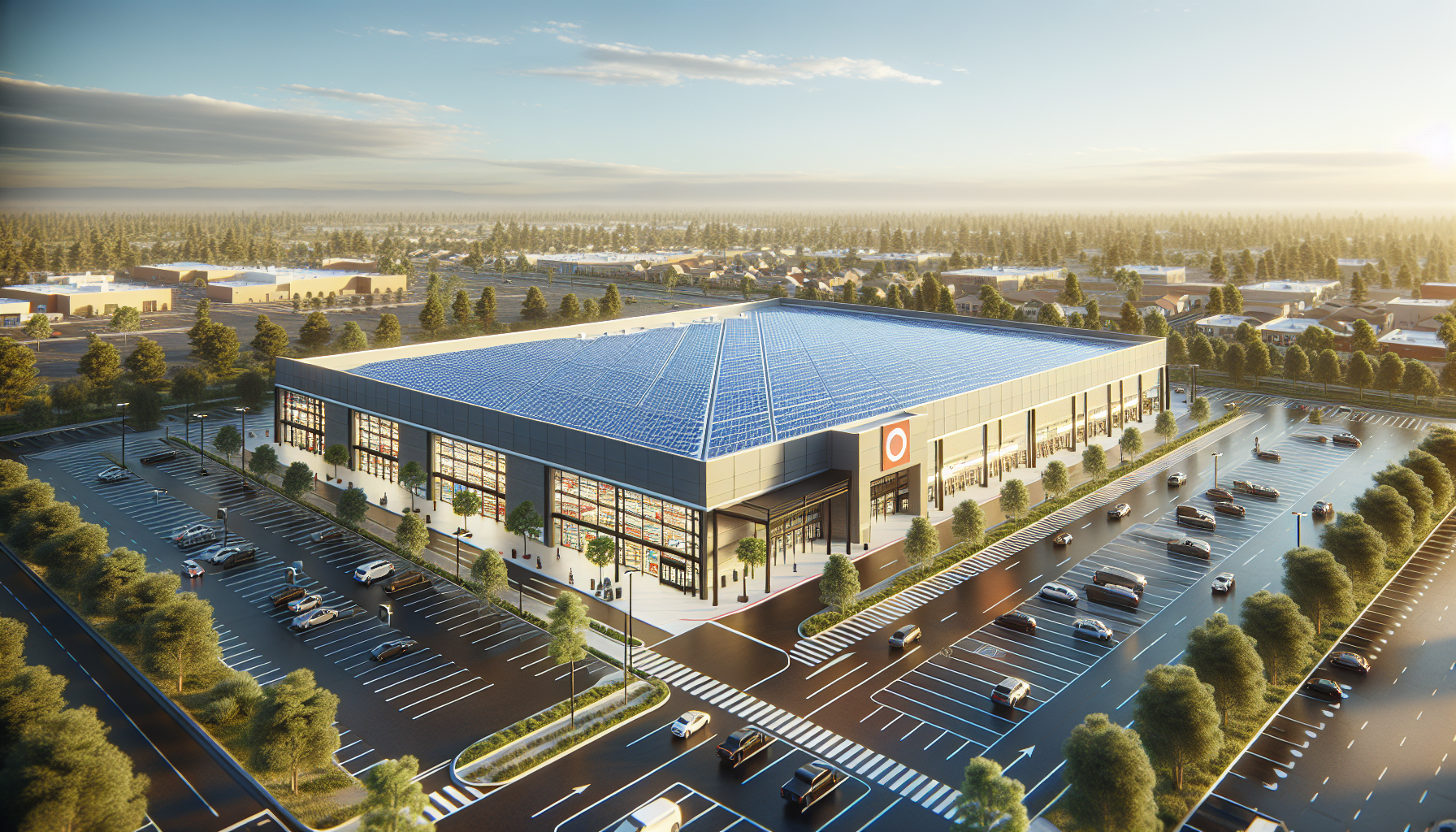
As the United States intensifies its efforts to reduce dependence on fossil fuels and transition towards sustainable energy alternatives, a significant opportunity lies untapped in an unexpected place: the rooftops of big-box stores and sprawling shopping malls. These large commercial buildings, often overlooked in the clean energy conversation, hold immense potential to contribute to the nation’s climate goals.
Big-box retailers, known for their massive footprint and high energy consumption, could play a pivotal role in slashing greenhouse gas emissions by installing solar panels on their expansive roofs. Experts argue that this approach not only offers a practical solution to reduce carbon emissions but also presents a financially sound strategy that could save millions of dollars in energy costs over time. Despite these clear benefits, the adoption rate of solar technology among these retail giants remains surprisingly low.
One of the key reasons behind this slow uptake is the complexity and upfront investment required for solar installations. While the long-term savings and environmental advantages are compelling, many retailers face challenges such as initial capital costs, regulatory hurdles, and concerns about the integration of solar systems with existing infrastructure. Additionally, some companies may lack awareness or the strategic vision to prioritize renewable energy investments in their operational plans.
Meanwhile, policymakers and environmental advocates continue to push for incentives and supportive frameworks that encourage commercial entities to embrace clean energy solutions. Initiatives such as tax credits, grants, and streamlined permitting processes are designed to lower barriers and make solar adoption more accessible for big-box stores. It is worth noting that several pioneering retailers have already demonstrated the feasibility and benefits of rooftop solar, setting examples that others can follow.
In a related development, the broader retail sector is witnessing a gradual shift as consumers increasingly demand environmentally responsible business practices. This growing public pressure could serve as a catalyst, motivating more companies to invest in renewable energy infrastructure. By capitalizing on the vast, underutilized roof space of big-box stores, the retail industry has a unique opportunity to contribute significantly to national emission reduction targets while enhancing their corporate sustainability profiles.
Ultimately, unlocking the potential of solar power on commercial rooftops requires a collaborative effort among businesses, government agencies, and energy experts. As the US continues its journey towards a cleaner energy future, the question remains: what will it take to convince more big-box stores to harness the sun’s power and lead the way in sustainable retail energy use?
