

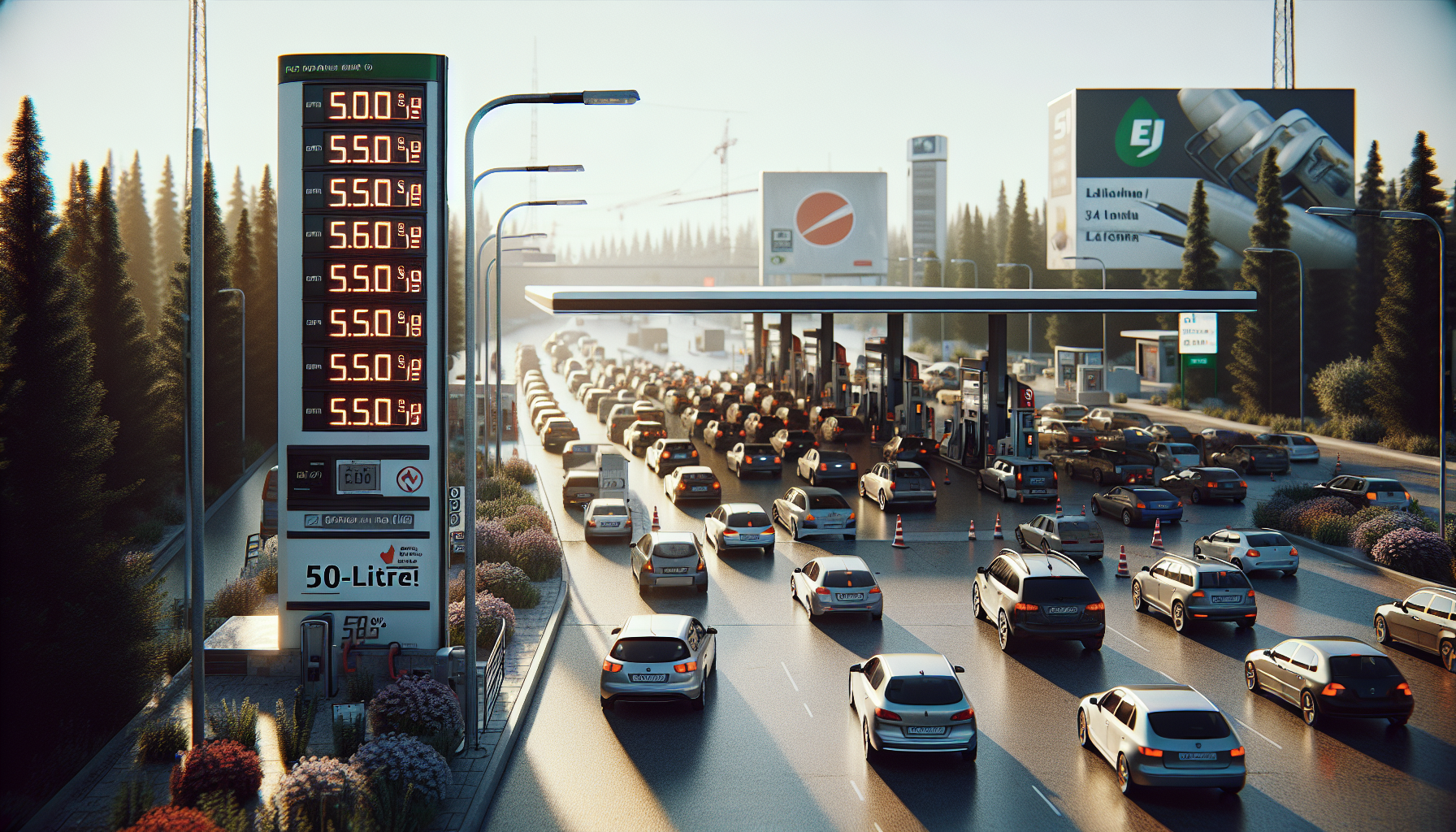
In a groundbreaking move within the European Union, Slovenia has introduced a daily fuel rationing policy that limits motorists to purchasing no more than 50 litres of fuel each day. This unprecedented step comes as the country grapples with ongoing supply challenges and rising fuel demand, prompting authorities to take decisive action to ensure fair distribution among consumers.
The decision to impose such restrictions marks Slovenia as the first EU member state to implement fuel rationing measures amid growing concerns over energy security. Officials have emphasized that this limitation will remain in place until further notice, signaling the seriousness of the situation and the need for continued vigilance in managing fuel resources.
Experts suggest that this rationing initiative is a response to a combination of factors, including geopolitical tensions, disruptions in supply chains, and increased consumption patterns that have strained the availability of fuel across the region. By capping daily fuel purchases, Slovenian authorities aim to prevent panic buying and hoarding, which could exacerbate shortages and lead to price volatility.
Meanwhile, motorists across Slovenia are adjusting to the new regulations, with many expressing mixed reactions. Some view the rationing as a necessary step to maintain equitable access to fuel, while others worry about the potential inconvenience, especially for those who rely heavily on their vehicles for work and daily activities. The government has assured the public that it is actively monitoring the situation and exploring additional measures to stabilize the fuel supply.
It is worth noting that Slovenia’s move may set a precedent for other EU countries facing similar challenges. As energy markets remain unpredictable, other nations might consider adopting comparable rationing policies to safeguard their fuel reserves. In a related development, the European Union continues to discuss broader strategies to enhance energy resilience and reduce dependency on external sources.
