

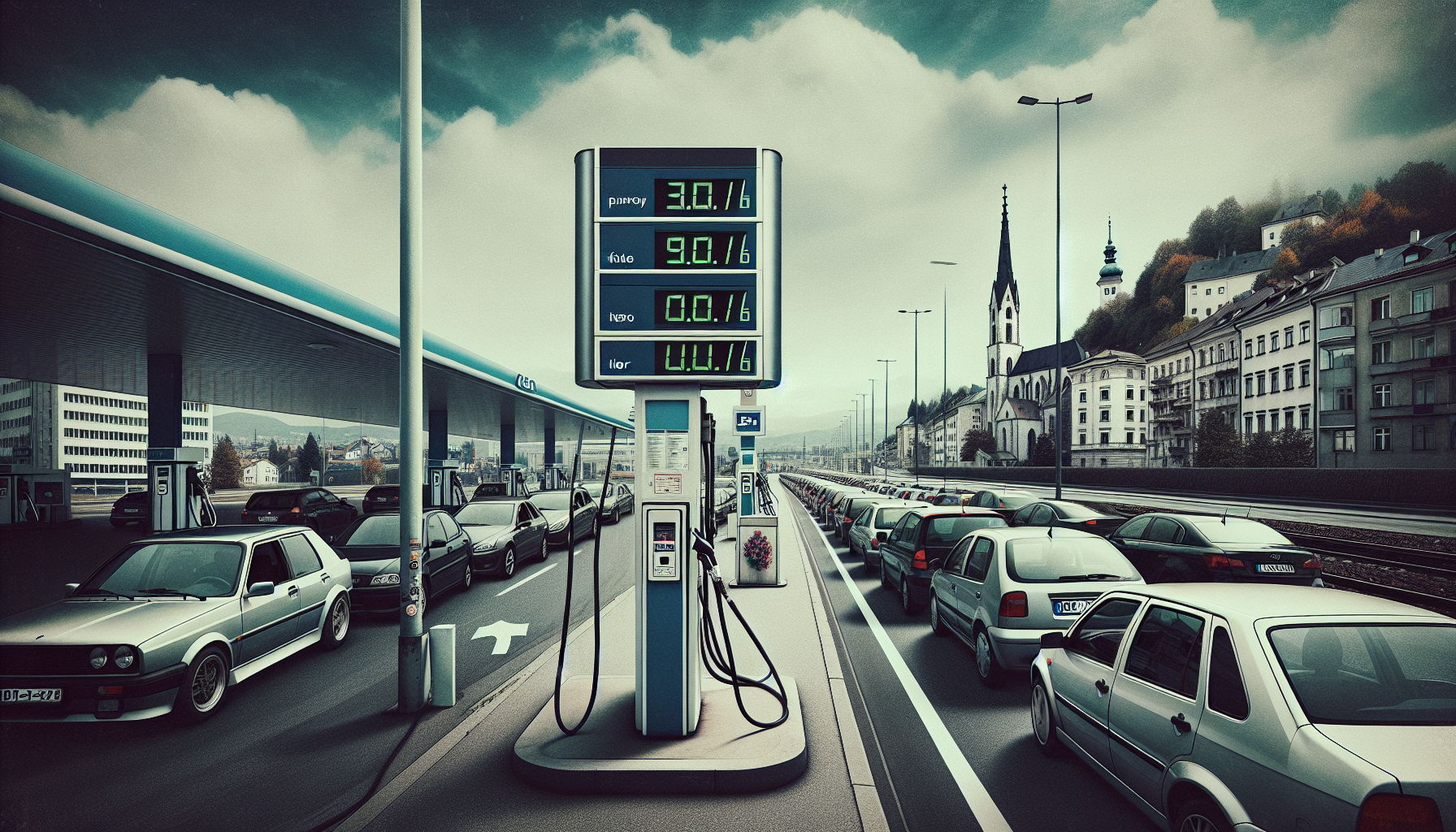
In a groundbreaking move within the European Union, Slovenia has announced the introduction of fuel rationing measures that will limit motorists to purchasing no more than 50 litres of fuel per day. This decision marks the first time an EU member state has resorted to such restrictions in response to the current energy supply challenges affecting the continent.
The new regulation, effective immediately and to remain in place until further notice, aims to manage fuel consumption more effectively and ensure equitable distribution among consumers during a period of heightened demand and supply uncertainties. Authorities in Ljubljana have emphasized that this step is necessary to prevent shortages and stabilize the domestic fuel market.
It is worth noting that Slovenia’s decision comes amid a broader context of energy instability across Europe, driven by geopolitical tensions and fluctuating oil prices. Many countries have been grappling with how to secure adequate fuel supplies for both civilian and industrial needs, and Slovenia’s rationing policy could set a precedent for other nations facing similar pressures.
Meanwhile, motorists and businesses in Slovenia are adjusting to the new limitations, which could impact daily travel and logistics operations. The government has assured the public that it is closely monitoring the situation and will lift the restrictions as soon as the supply conditions improve.
In a related development, energy experts are watching Slovenia’s approach with interest, as it may offer insights into managing fuel distribution during crises. The move also highlights the ongoing challenges European countries face in balancing energy security with economic stability.
