

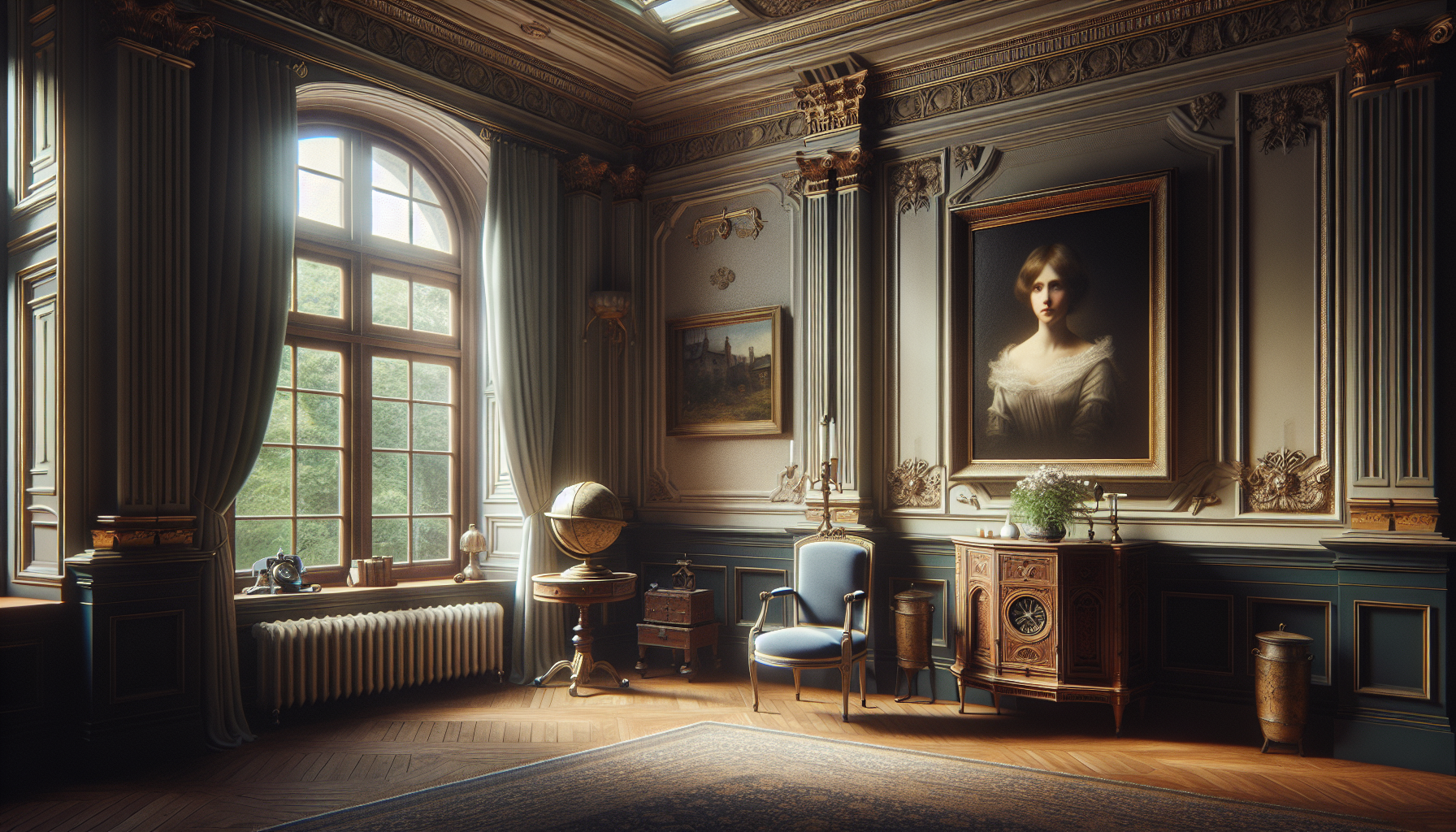
A significant discovery was made when a portrait, believed to have been seized by Hermann Goering, a prominent Nazi official during World War Two, was found in the home of descendants of a Dutch SS leader. This finding highlights the extensive looting of art by Nazi elites, who amassed countless valuable pieces across occupied Europe. Goering, known for his role in the Nazi regime and his obsession with art collection, orchestrated the confiscation of numerous artworks from Jewish families and occupied territories.
The recovery of this painting not only provides a tangible link to the dark history of Nazi plunder but also raises questions about the fate of other stolen cultural properties still missing. Efforts to trace and restitute looted art have been ongoing for decades, involving international cooperation and legal battles. This case underscores the importance of continued vigilance and investigation into wartime art theft, which remains a sensitive and unresolved issue for many families and nations.
Meanwhile, the discovery in the Dutch SS leader’s family home may prompt further inquiries into the extent of collaboration and complicity among local Nazi affiliates in art looting. It also serves as a reminder of the enduring impact of World War Two on cultural heritage and the moral imperative to restore stolen artworks to their rightful owners or heirs. The revelation is expected to attract attention from historians, legal experts, and cultural institutions dedicated to preserving historical justice.
