



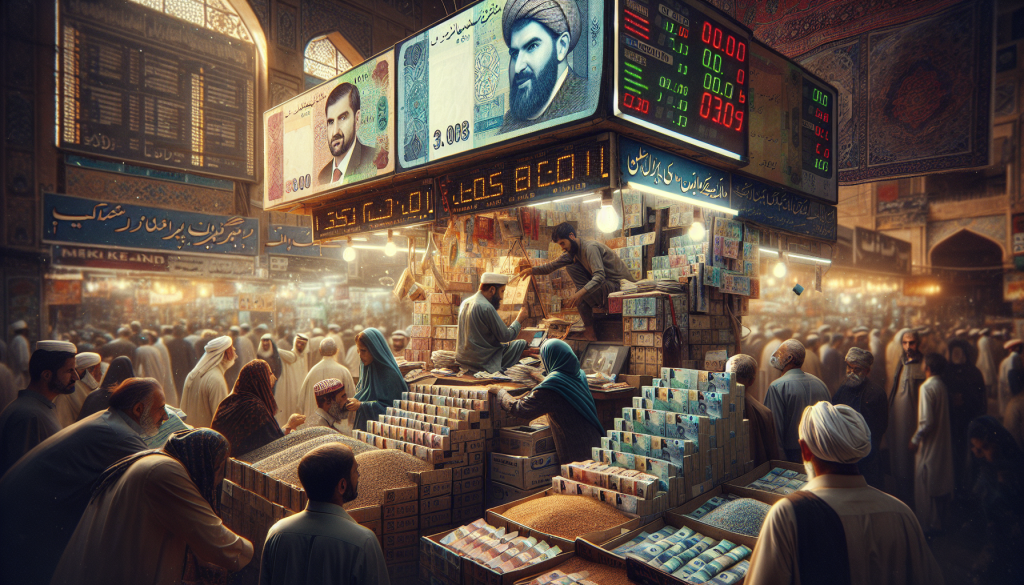
On May 11, 2026, the Iranian Rial’s exchange rate in Pakistan was closely monitored by traders and businesses due to the significant trade relations between the two neighboring countries. Currency exchange rates like the Rial’s impact import-export dynamics, influencing prices of goods and services that flow across the border. The Rial’s value against the Pakistani Rupee is a key indicator of economic stability and bilateral trade health.
In a significant development, fluctuations in the Iranian Rial can affect sectors such as energy, textiles, and consumer goods, which are heavily traded between Iran and Pakistan. Market participants often watch these rates to make informed decisions on currency conversions and financial planning. Meanwhile, geopolitical factors and international sanctions on Iran continue to play a role in shaping the Rial’s performance in foreign exchange markets.
Notably, the exchange rate trends on this date provide insights into broader economic conditions and monetary policies in both countries. Businesses engaged in cross-border trade rely on accurate and timely exchange rate information to mitigate risks associated with currency volatility. As such, the Iranian Rial rate in Pakistan remains a critical economic indicator for stakeholders involved in regional commerce and finance.

Leave an opinion