

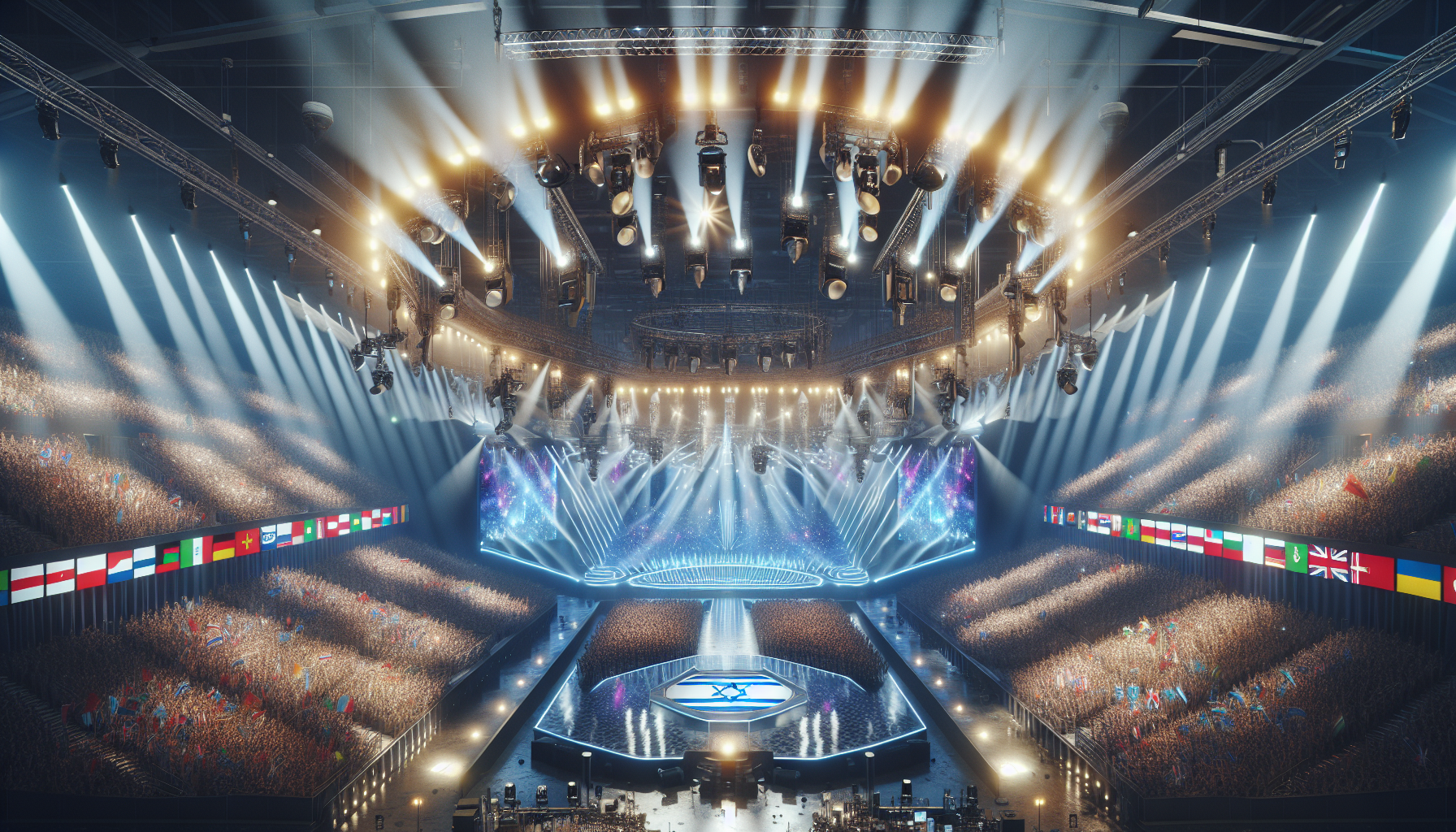
The Eurovision Song Contest has once again become a focal point of controversy as several countries, including Spain and Ireland, have decided to withdraw from this year’s competition. Their decision stems from objections to Israel’s participation, a move that has reignited longstanding political tensions surrounding the event. Eurovision, traditionally a celebration of music and cultural exchange, is facing challenges that test its role as a unifying platform.
Notably, the withdrawal of these countries has sparked a complex reaction among the contest’s dedicated fan base. While some express disappointment and frustration over the politicization of the event, many fans remain committed to supporting Eurovision’s spirit of diversity and artistic expression. This divide highlights the broader impact of geopolitical issues on international cultural events.
In a significant development, the controversy underscores the difficulties Eurovision faces in balancing inclusivity with the political realities of its participating nations. The ongoing debate may influence future editions of the contest, prompting organizers to reconsider how to navigate such sensitive matters. Meanwhile, fans continue to engage passionately, demonstrating the contest’s enduring appeal despite the challenges it encounters.
