

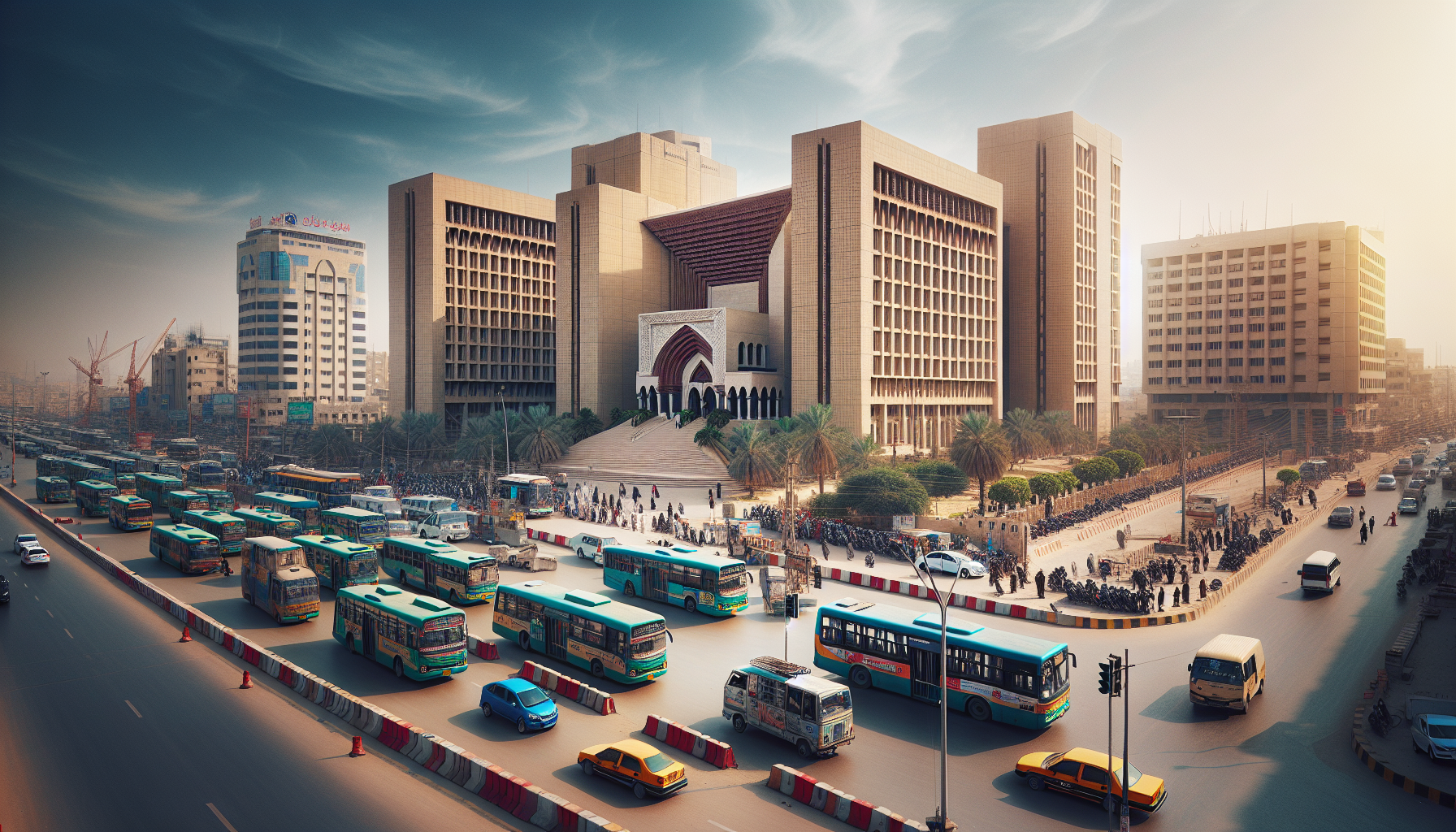
The Sindh High Court (SHC) has ruled that the sealing of the Bus Rapid Transit (BRT) office was unlawful, marking a significant legal development in the ongoing disputes surrounding the project. This decision underscores the court’s stance on ensuring administrative actions comply with legal standards, particularly in high-profile urban infrastructure initiatives. The ruling came amid controversies over the management and execution of the BRT system, which has faced criticism and legal challenges since its inception.
In a related directive, the SHC has set a firm deadline for the completion of work on University Road, a critical artery in Karachi that has been affected by the BRT construction activities. The court’s intervention aims to expedite the project’s progress and minimize disruption to daily commuters and local businesses. University Road is a vital commercial and transit corridor, and delays in its restoration have had significant economic and social impacts on the city.
This judicial decision is expected to influence the pace and governance of urban transport projects in Karachi, emphasizing accountability and adherence to legal frameworks. It also highlights the judiciary’s role in balancing development needs with citizens’ rights and administrative transparency. Moving forward, stakeholders in the BRT project will need to align their operations with the court’s directives to avoid further legal complications and public inconvenience.
