

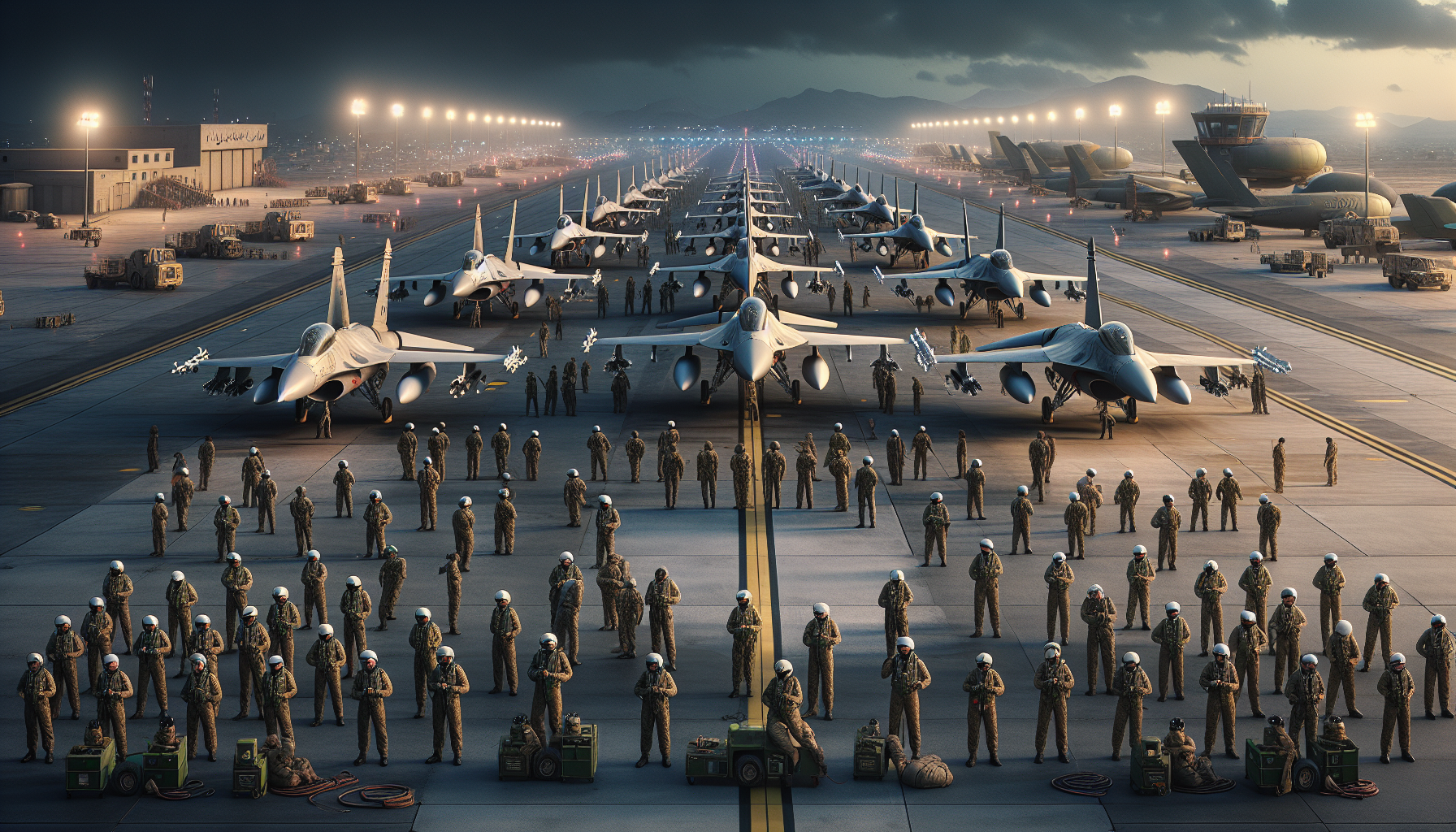
Pakistan’s armed forces have reiterated their dedication to defending the nation, warning that any future hostile actions will be met with a more powerful and precise retaliation as the country marks the first anniversary of Marka-e-Haq.
In a statement issued on the night of May 6-7, the Inter-Services Public Relations (ISPR) described the occasion as a pivotal moment in Pakistan’s military history, especially for the Pakistan Air Force (PAF). The military’s media wing emphasized that the operations conducted during the conflict bolstered public trust, strengthened institutional resolve, and showcased the PAF’s advancing operational capabilities.
The conflict known as Marka-e-Haq followed the April 22, 2025 attack in Pahalgam, which resulted in 26 fatalities and sharply heightened tensions between Pakistan and India. The standoff concluded with a ceasefire declared on May 10, after Pakistan launched Operation Bunyanum Marsoos.
Notably, the ISPR highlighted the PAF’s ongoing modernization and integration of cutting-edge technologies, transforming it into a force prepared for contemporary aerial combat and multi-domain operations. The statement characterized the military actions during the conflict as unprecedented, significantly boosting national pride and resilience.
Meanwhile, the military reaffirmed Pakistan’s commitment to peace and regional stability, while maintaining vigilance against evolving security threats. It noted continued investments in advanced systems and professional training to effectively confront future challenges.
Reasserting the country’s defensive stance, the ISPR warned that any aggression against Pakistan would provoke a response far stronger than that witnessed during Marka-e-Haq. The statement also paid homage to the Pakistan Air Force personnel, lauding their professionalism, sacrifices, and readiness in safeguarding the nation’s airspace.
The tensions between the two nuclear-armed neighbors escalated after India accused Pakistan of orchestrating the Pahalgam attack, a charge Islamabad denied. Following this, India suspended the Indus Waters Treaty, revoked visas for Pakistani citizens, and downgraded diplomatic relations.
The crisis intensified on May 7, 2025, when missile strikes targeted multiple sites in Punjab and Azad Jammu and Kashmir, causing civilian casualties. Pakistan retaliated by shooting down several Indian fighter jets, including Rafale aircraft. Subsequently, Pakistan initiated Operation Bunyanum Marsoos in response to Indian strikes on Pakistani airbases.
After intense diplomatic efforts led by the United States, a ceasefire was declared on May 10, 2025, bringing the confrontation to a halt.
