

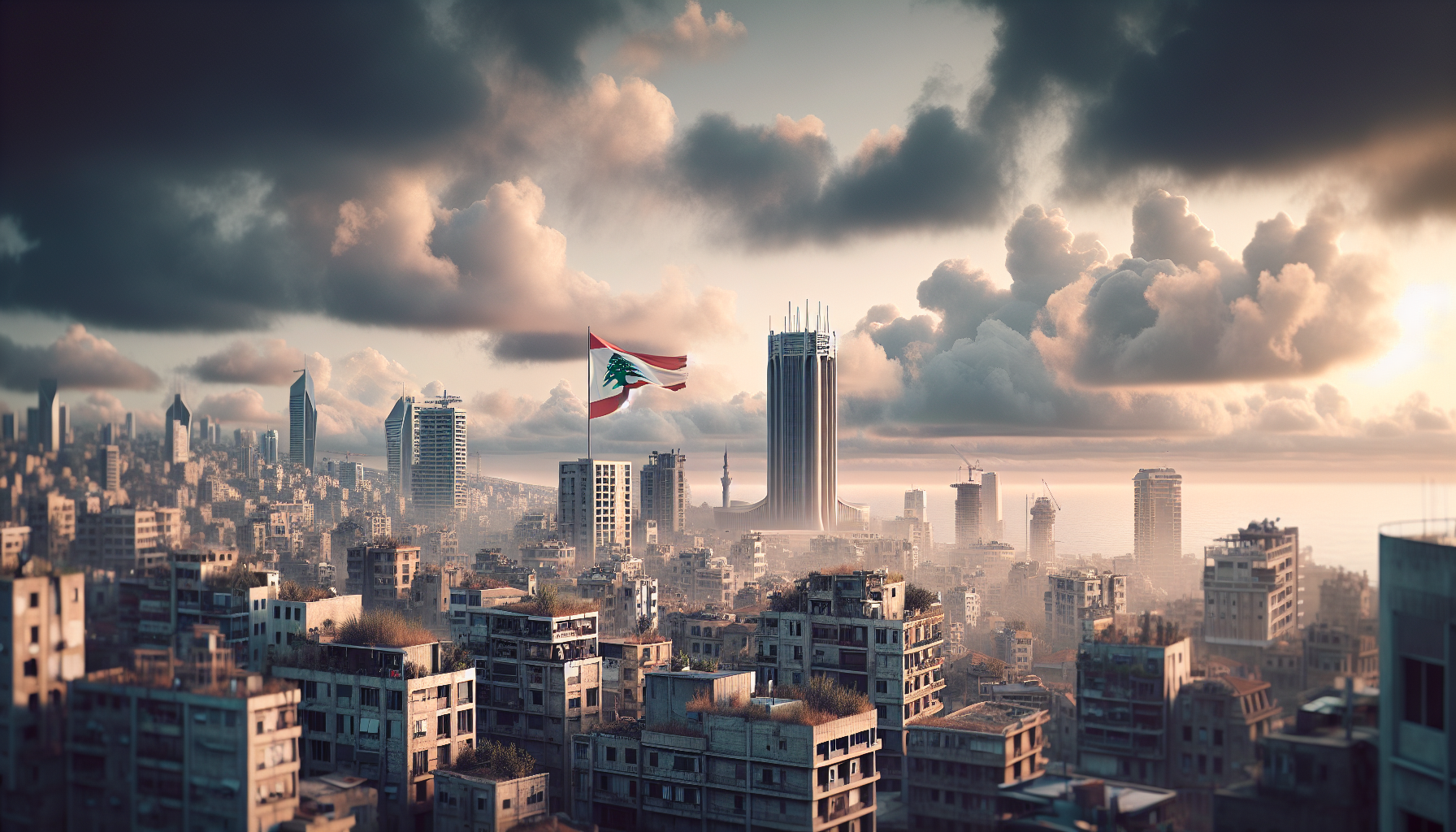
Lebanon’s ongoing conflict is deeply rooted in its intricate historical context, which includes decades of sectarian divisions and foreign interventions. The country’s diverse religious and ethnic groups have long struggled to coexist peacefully, making any resolution efforts particularly complex. Past wars and political instability have left scars that continue to influence current tensions. Understanding this background is essential for any meaningful peace initiative.
Meanwhile, new geopolitical realities have further complicated the situation in Lebanon. Regional powers and international actors have vested interests in the country, often exacerbating internal divisions. The influence of neighboring countries and global alliances shapes Lebanon’s political landscape, making it difficult to find a consensus. These external pressures add layers of complexity to the already fragile peace process.
In a significant development, experts emphasize that winning peace in Lebanon demands a multifaceted approach that addresses both historical grievances and contemporary geopolitical challenges. Sustainable peace will require cooperation among Lebanon’s diverse communities and a reduction of foreign interference. Without acknowledging these factors, efforts to stabilize Lebanon risk falling short, prolonging instability in the region. The stakes remain high, as Lebanon’s stability is crucial for broader Middle Eastern peace.
