

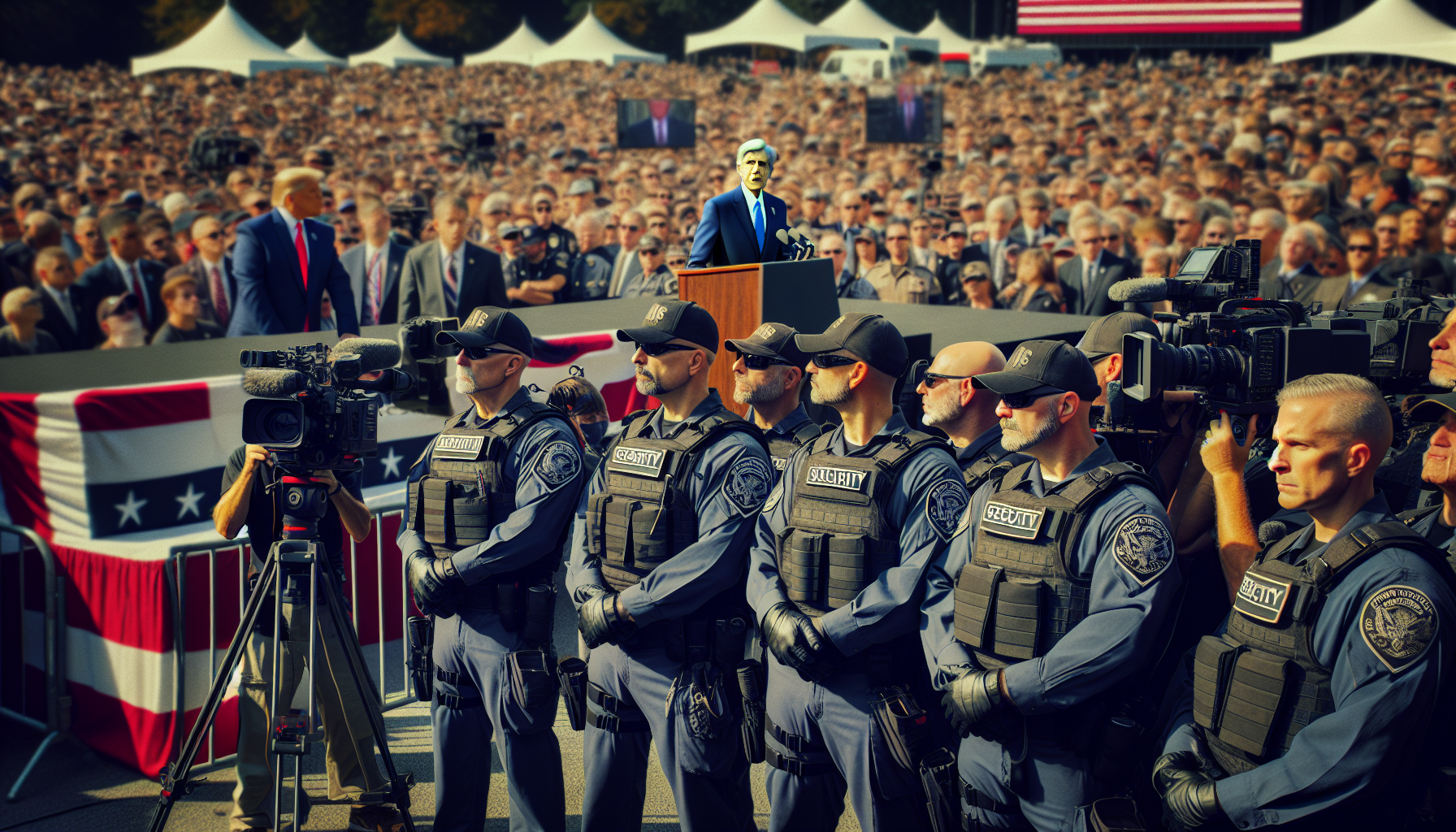
In a significant development, another assassination attempt on former President Donald Trump has brought renewed attention to the deepening mistrust many Americans have toward mainstream media outlets. This event has intensified existing divisions, as various conspiracy theories rapidly circulate to fill the information void left by skepticism of traditional news sources. The persistence of such attempts against high-profile political figures reflects broader societal tensions and the polarized political climate in the United States.
Meanwhile, the proliferation of conspiracy theories in the wake of this incident illustrates how misinformation can thrive when public confidence in credible journalism erodes. The media’s struggle to maintain trust has allowed alternative narratives to gain traction, often complicating efforts to present verified facts. This dynamic not only affects political discourse but also poses challenges to national security and public safety, as misinformation can incite further violence or unrest.
Notably, the repeated targeting of Donald Trump underscores the volatile nature of contemporary American politics, where political figures remain vulnerable to acts of violence fueled by ideological extremism. The incident serves as a stark reminder of the urgent need for restoring trust in reliable information channels and addressing the root causes of political polarization. As the nation grapples with these issues, the role of responsible journalism and public engagement becomes increasingly critical to safeguarding democratic processes and social stability.
