



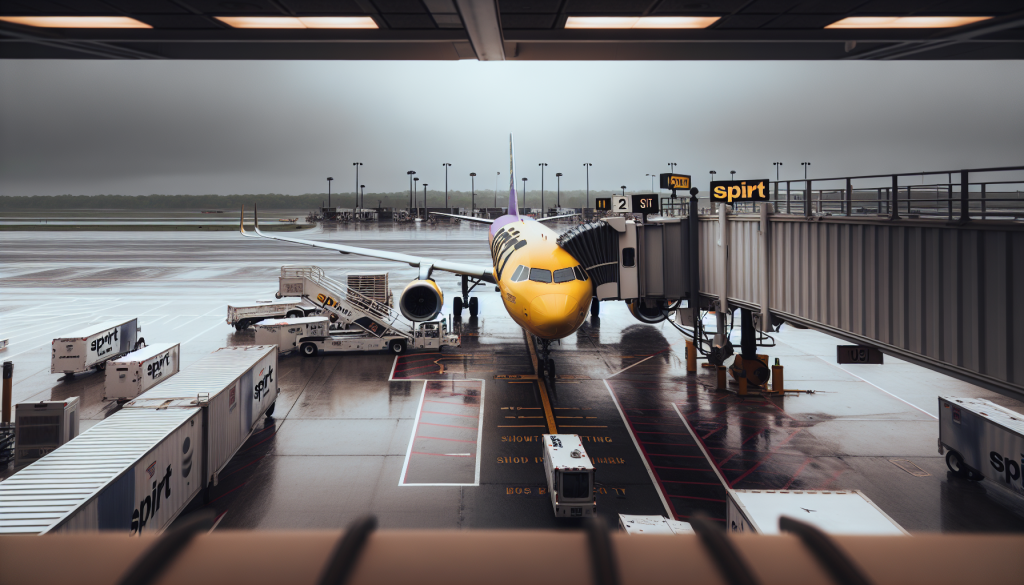
Spirit Airlines is set to halt its operations following the breakdown of discussions with the Trump administration over a proposed $500 million financial rescue package. The airline had been seeking government assistance to stabilize its finances amid challenging market conditions. The failure to secure this bailout marks a critical turning point for the low-cost carrier, which has faced mounting pressures in the competitive aviation sector.
In a significant development, the collapse of these talks highlights the difficulties airlines have encountered during economic downturns and crises impacting travel demand. Spirit Airlines’ struggle reflects broader industry challenges, including fluctuating fuel prices, regulatory hurdles, and shifting consumer behavior. The inability to obtain government support may lead to job losses and disrupt travel plans for many passengers relying on the carrier’s services.
Meanwhile, this situation underscores the complex relationship between the aviation industry and government policy, especially during times of economic uncertainty. The outcome for Spirit Airlines could influence future bailout negotiations for other carriers and shape regulatory approaches to airline financial stability. The airline’s closure will likely have ripple effects across the sector, affecting competitors, suppliers, and regional economies dependent on air travel connectivity.

Leave an opinion